
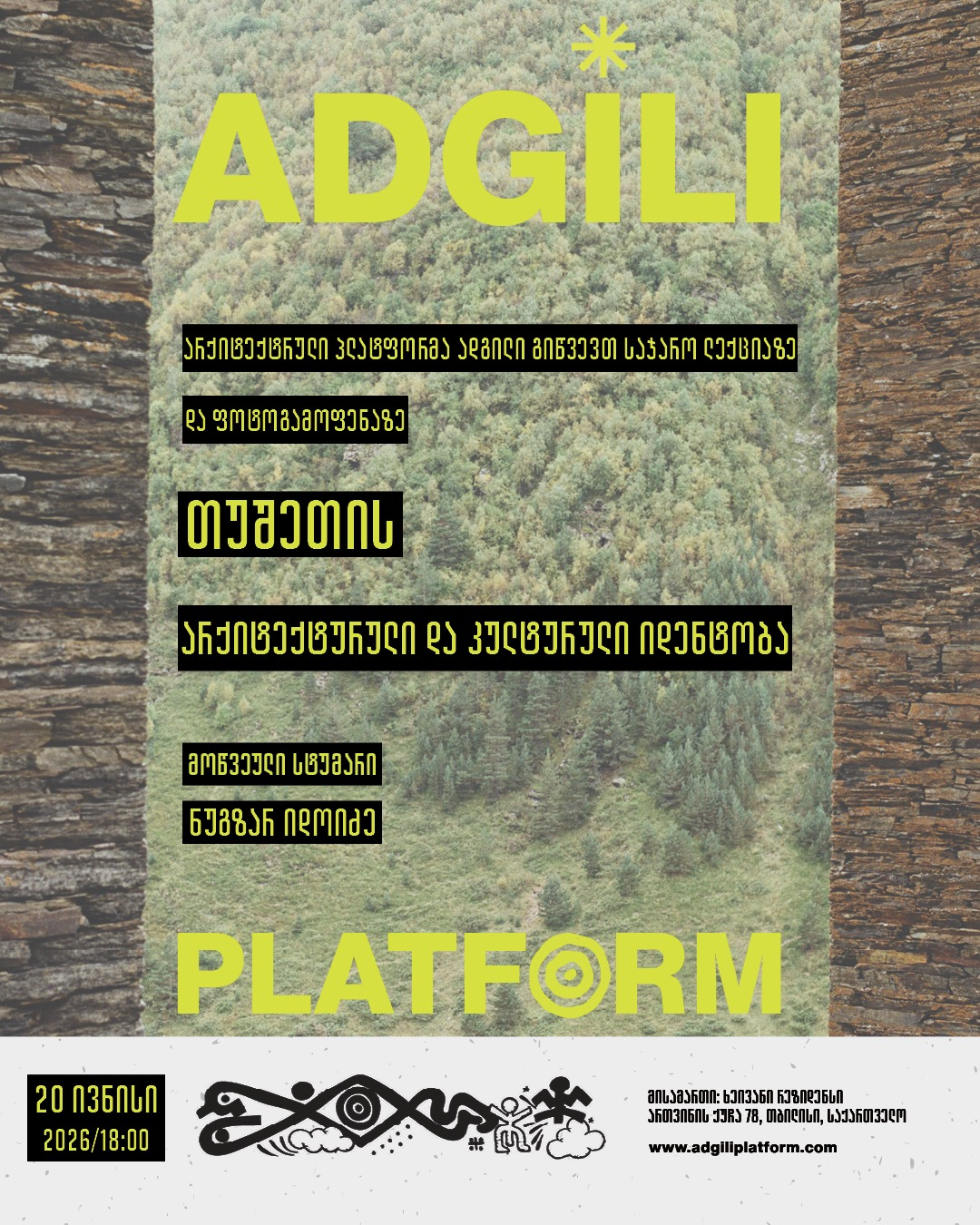
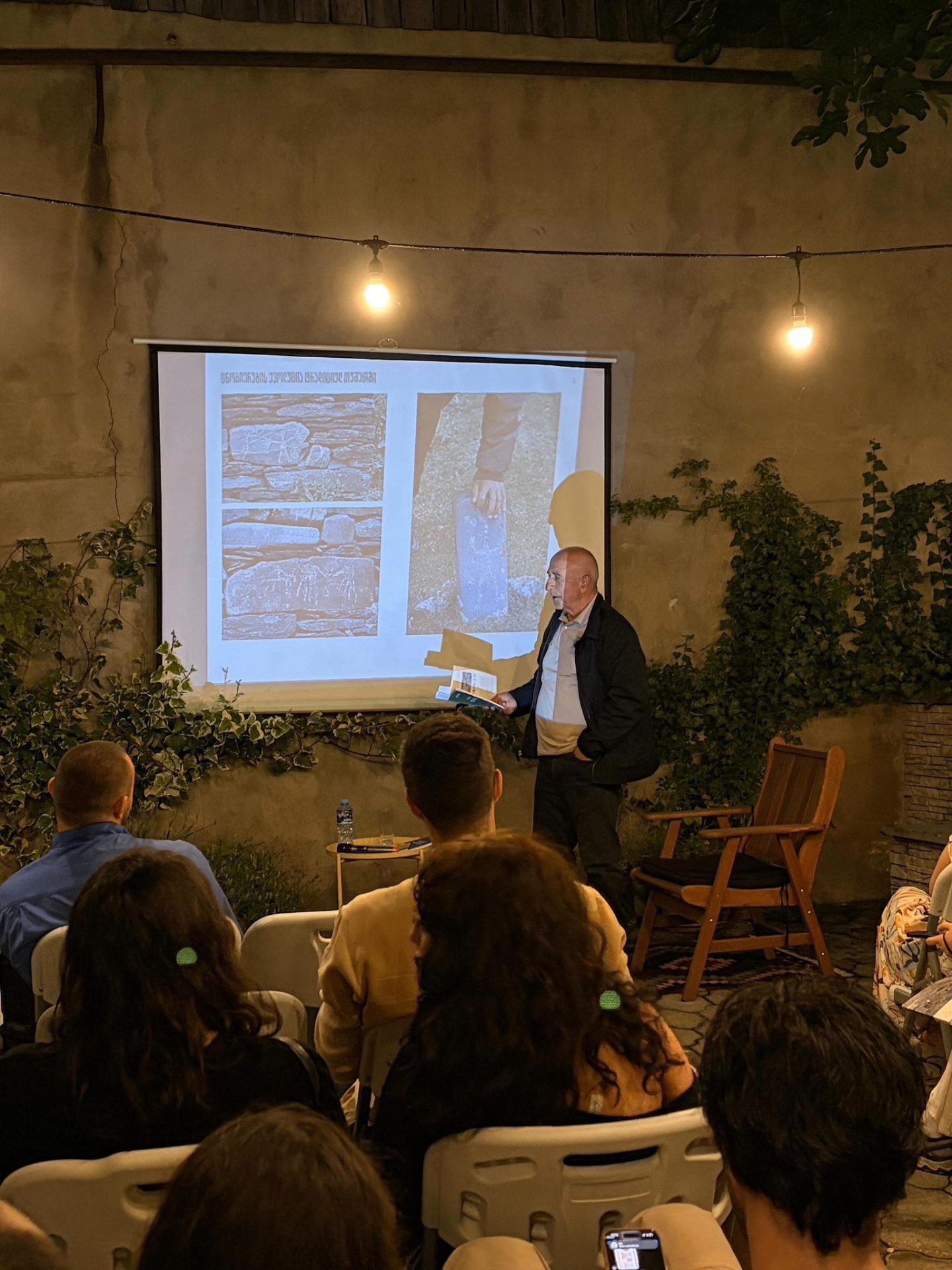
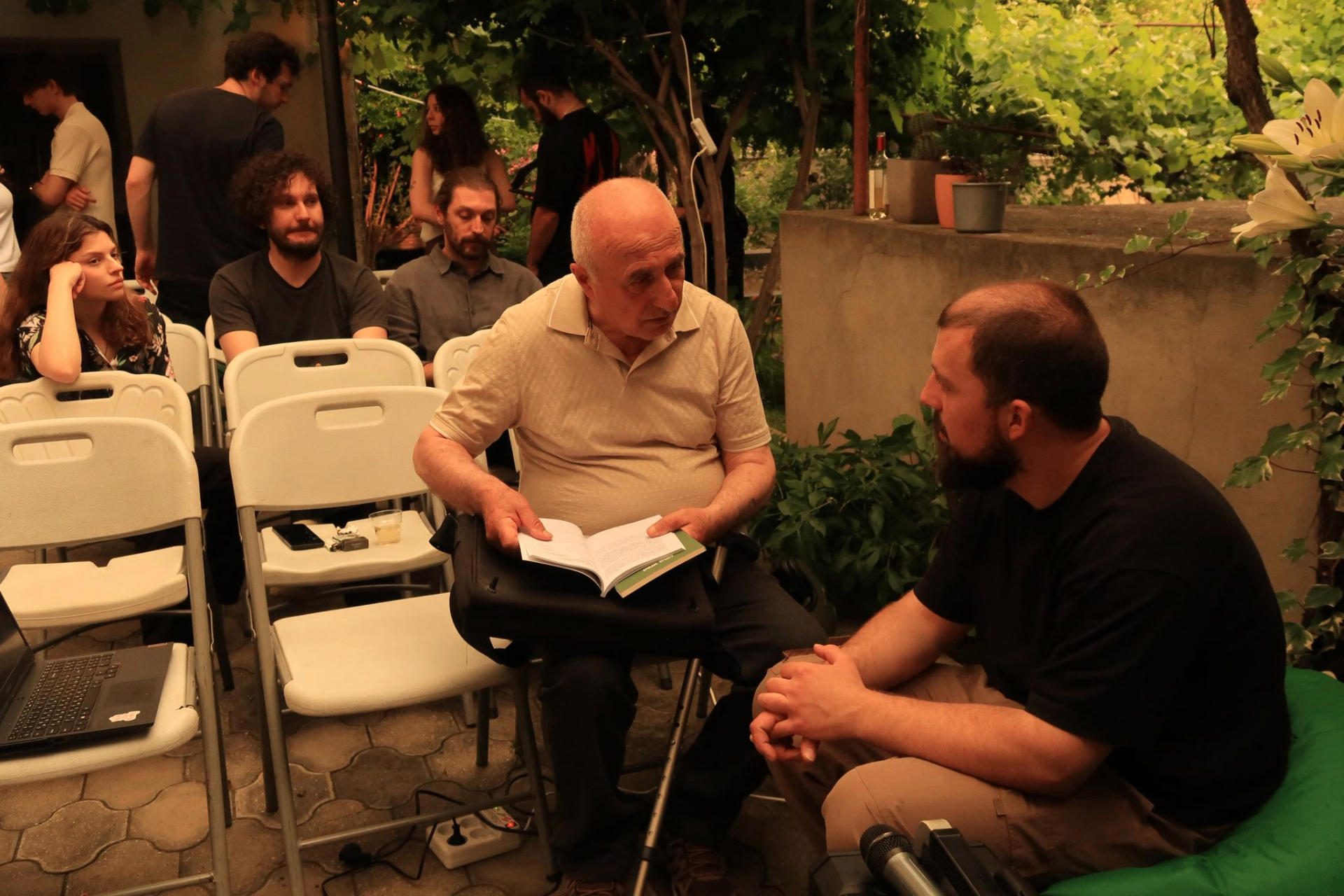
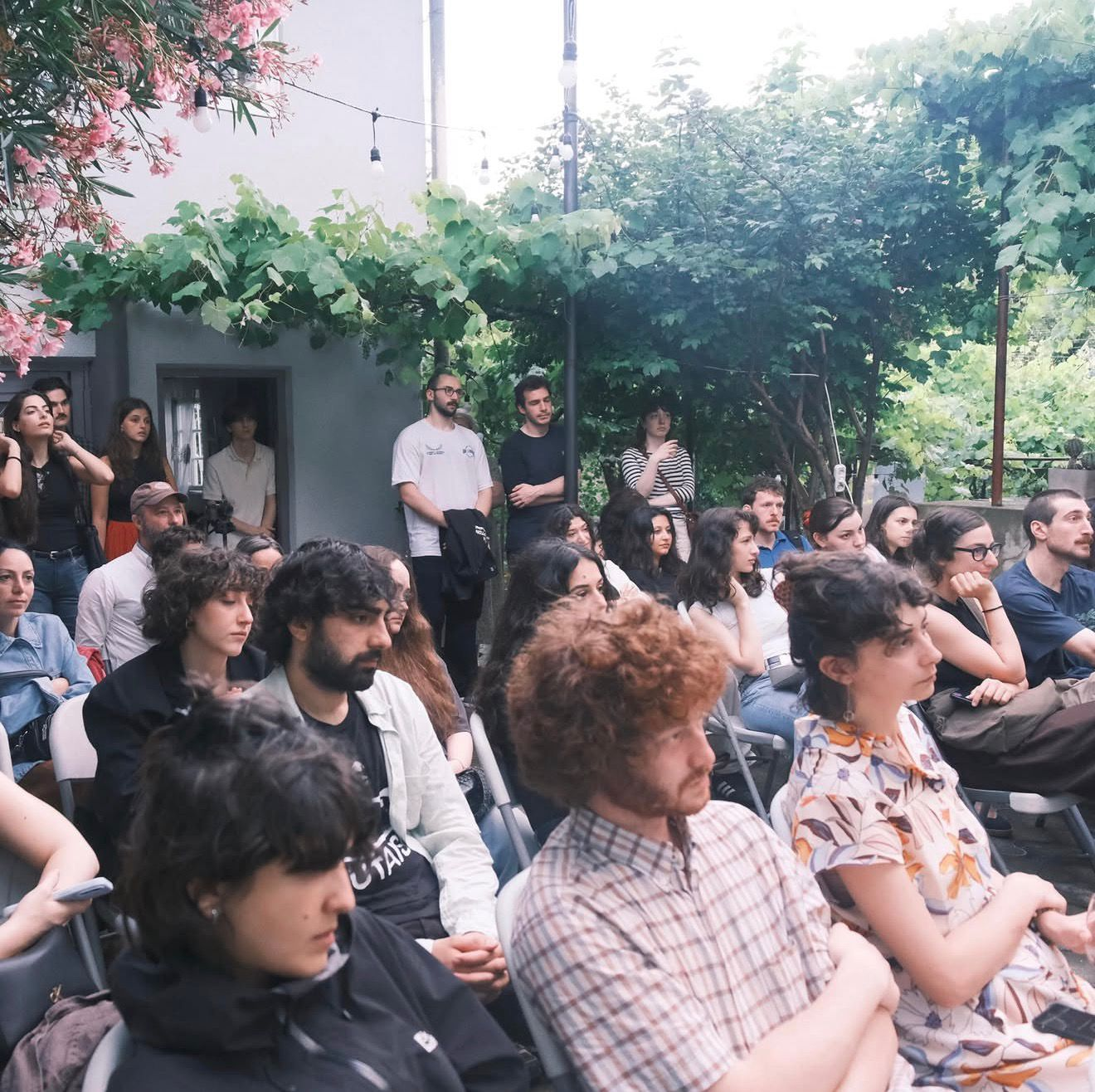
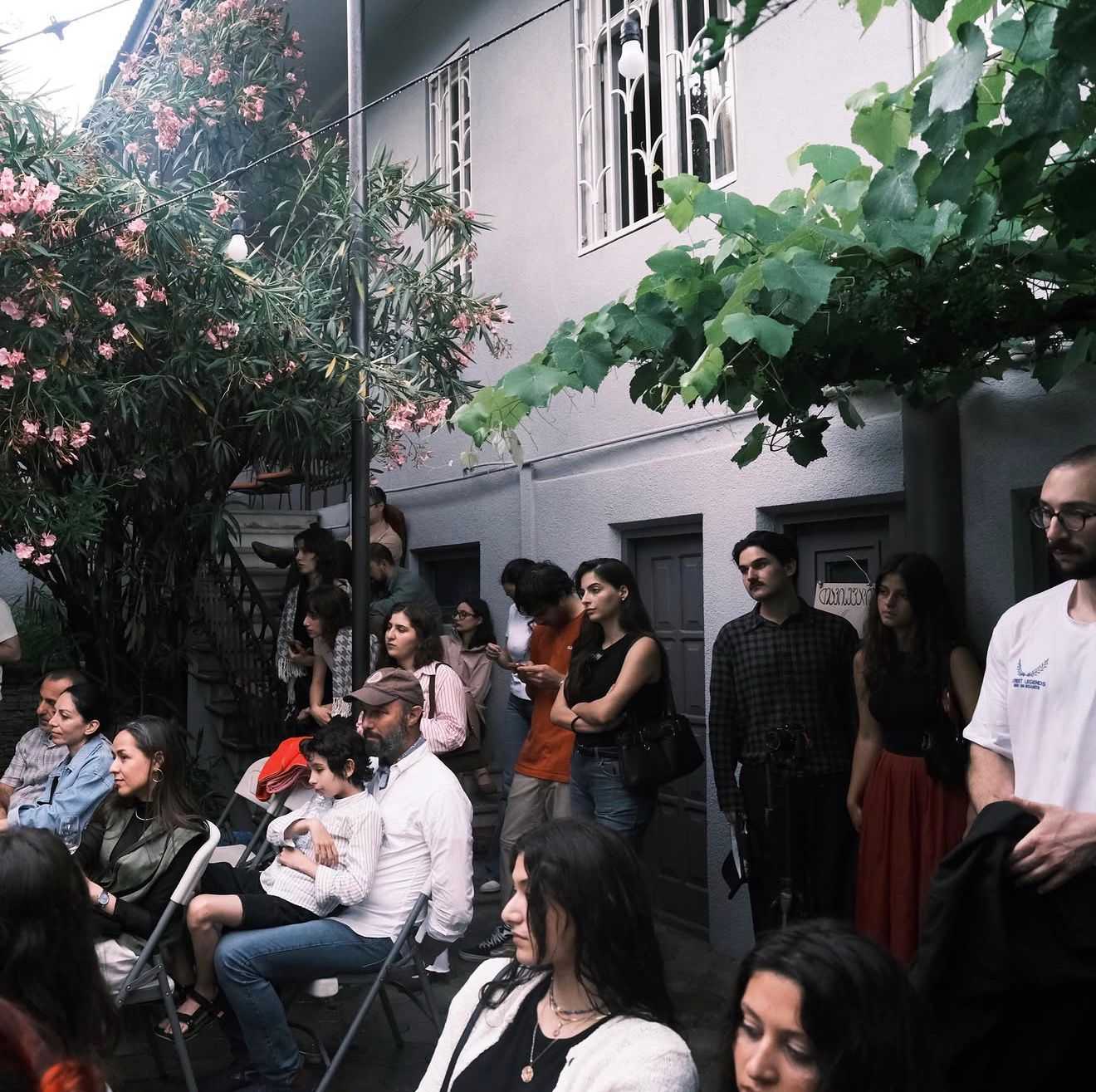
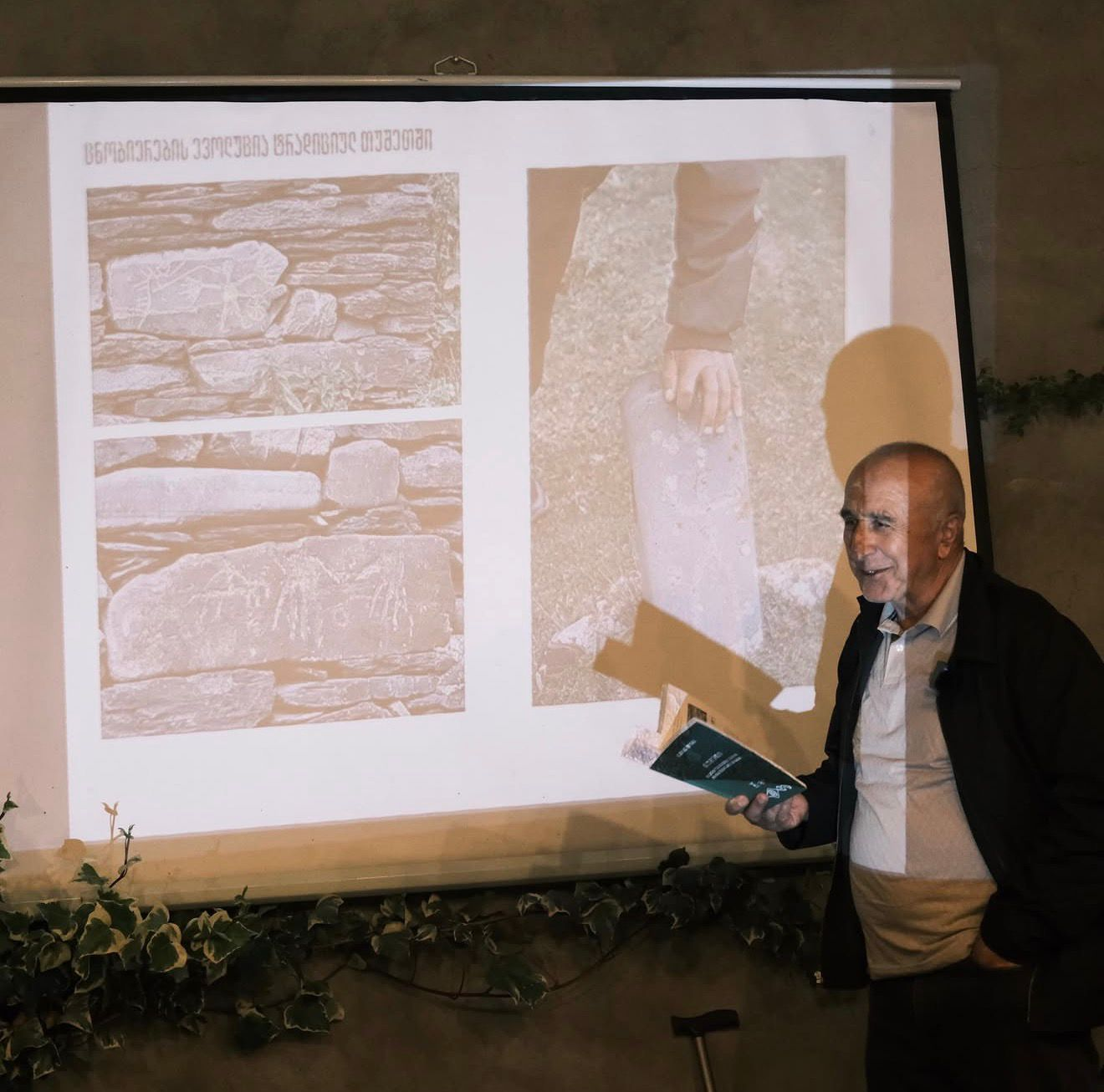
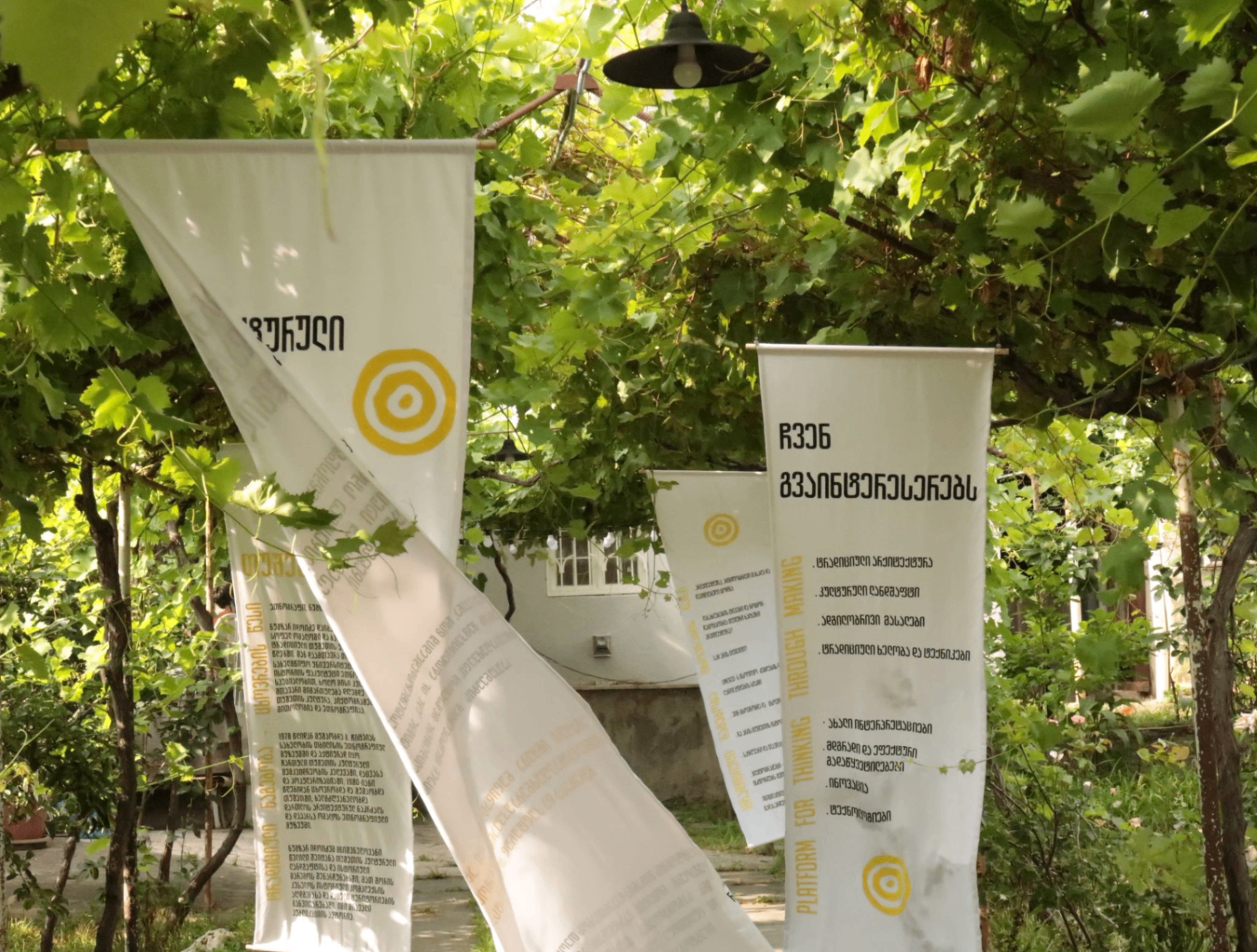
On 20 June 2026, Adgili Platform launched its public lecture series dedicated to Georgian vernacular and regional architecture. The first event featured Nugzar Idoidze—researcher, ethnographer, and writer—whose name has become inseparable from the cultural heritage of Tusheti.
The founders of Adgili Platform first met one another in Tusheti, where they also met Mr. Idoidze. For this reason, opening the lecture series with this topic and this distinguished guest was a symbolic decision. Tusheti represents one of the key foundations of Adgili Platform’s work—a place where the Vernacular Building Techniques Initiative was carried out in 2024, laying the groundwork for many of the platform’s future ambitions.
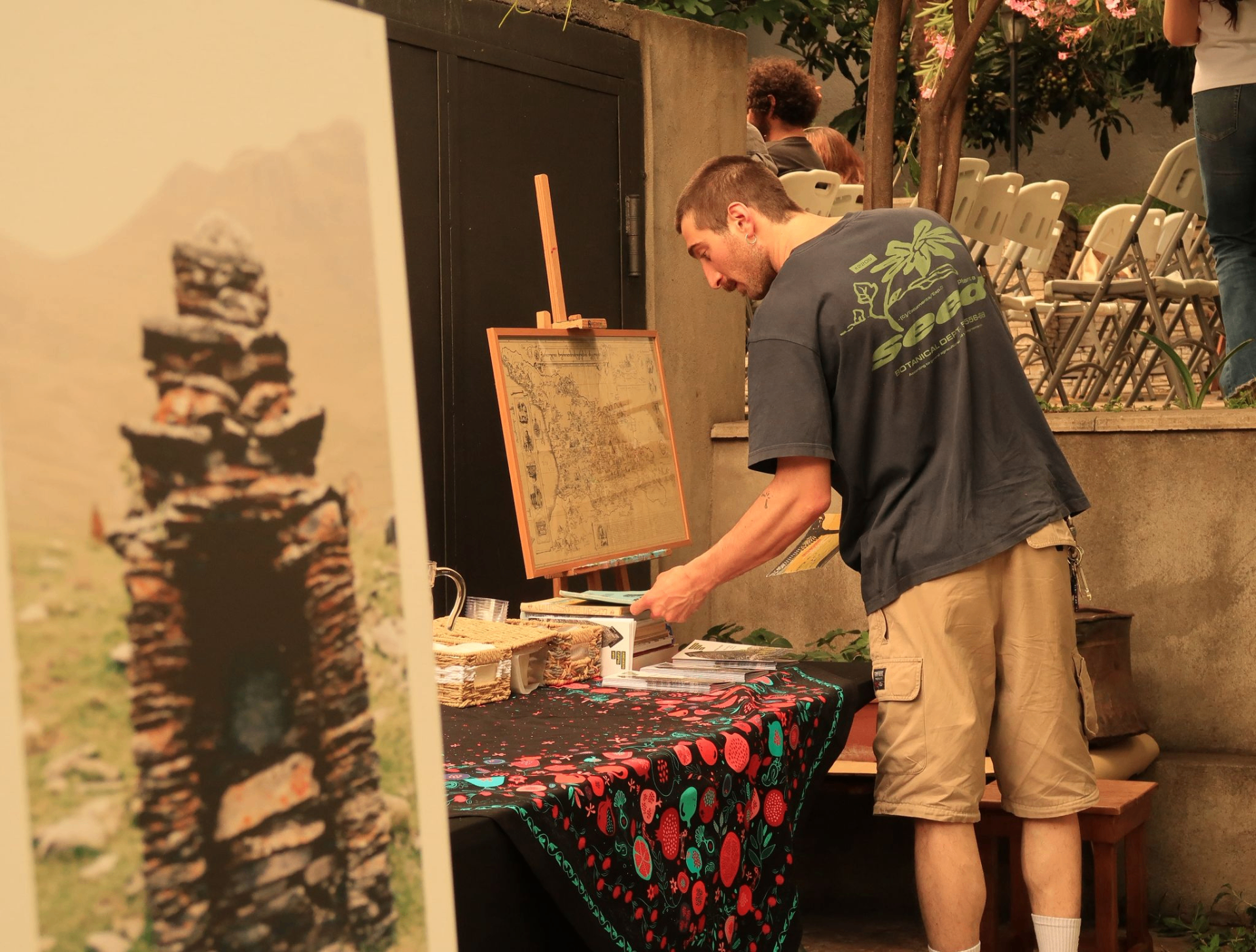
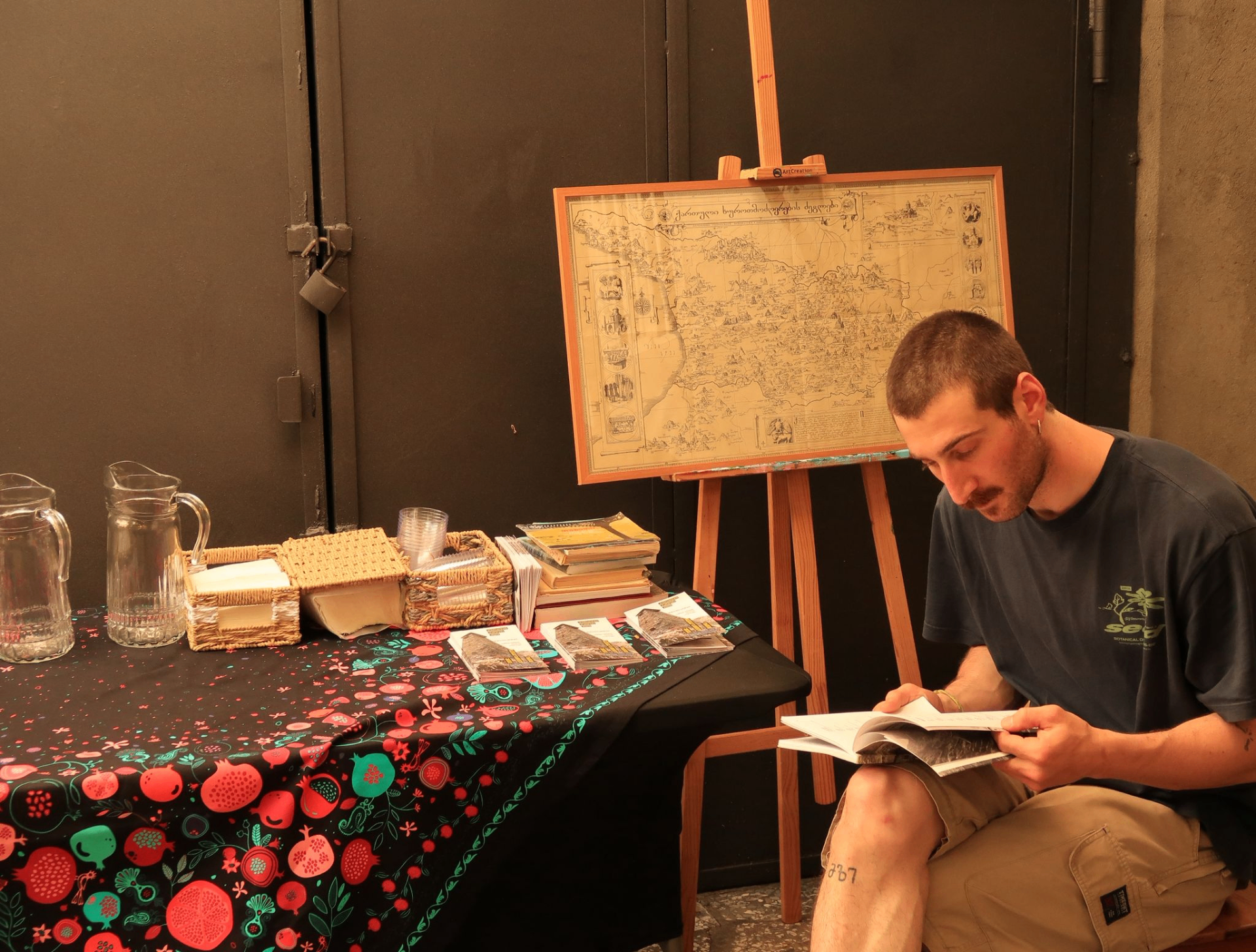
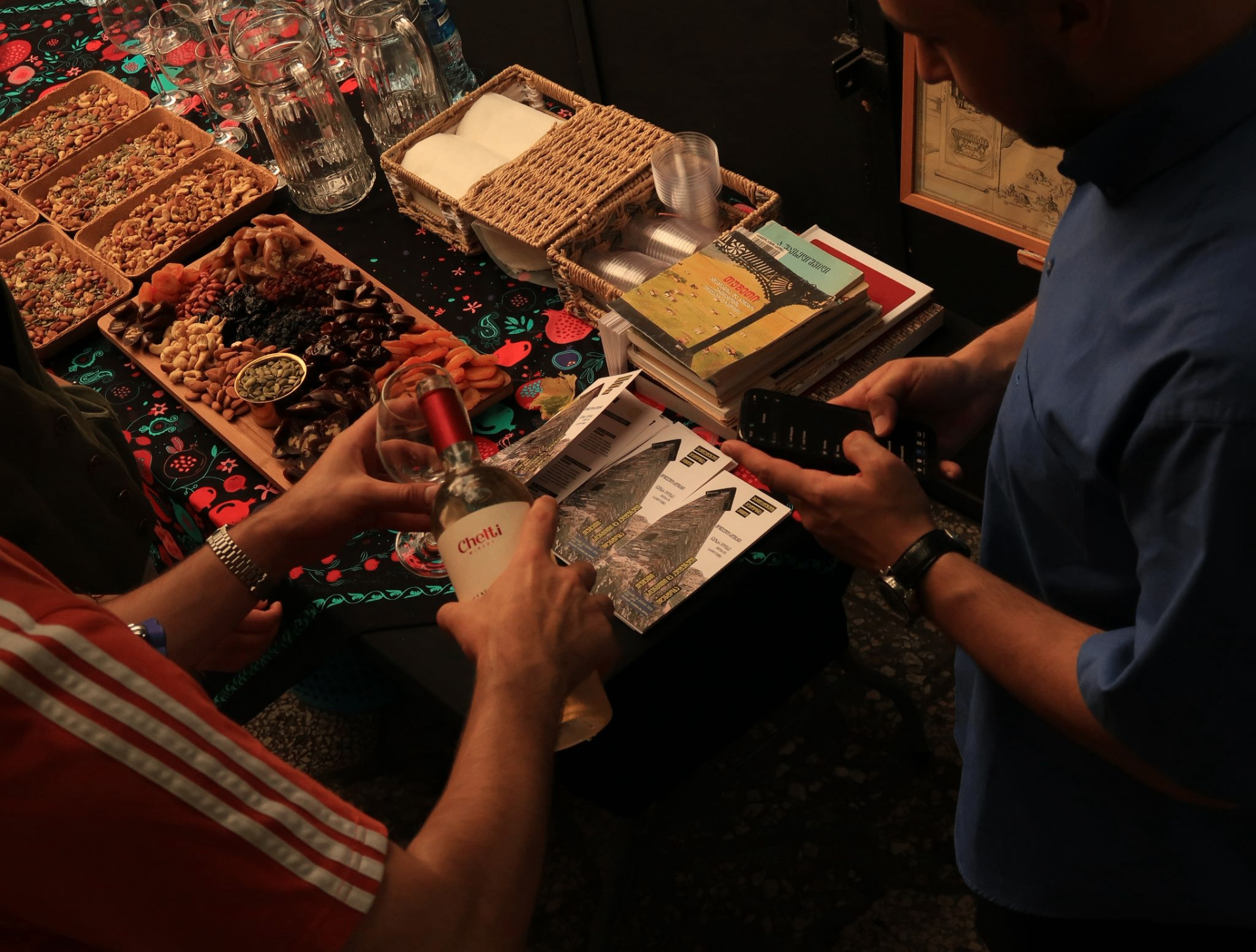
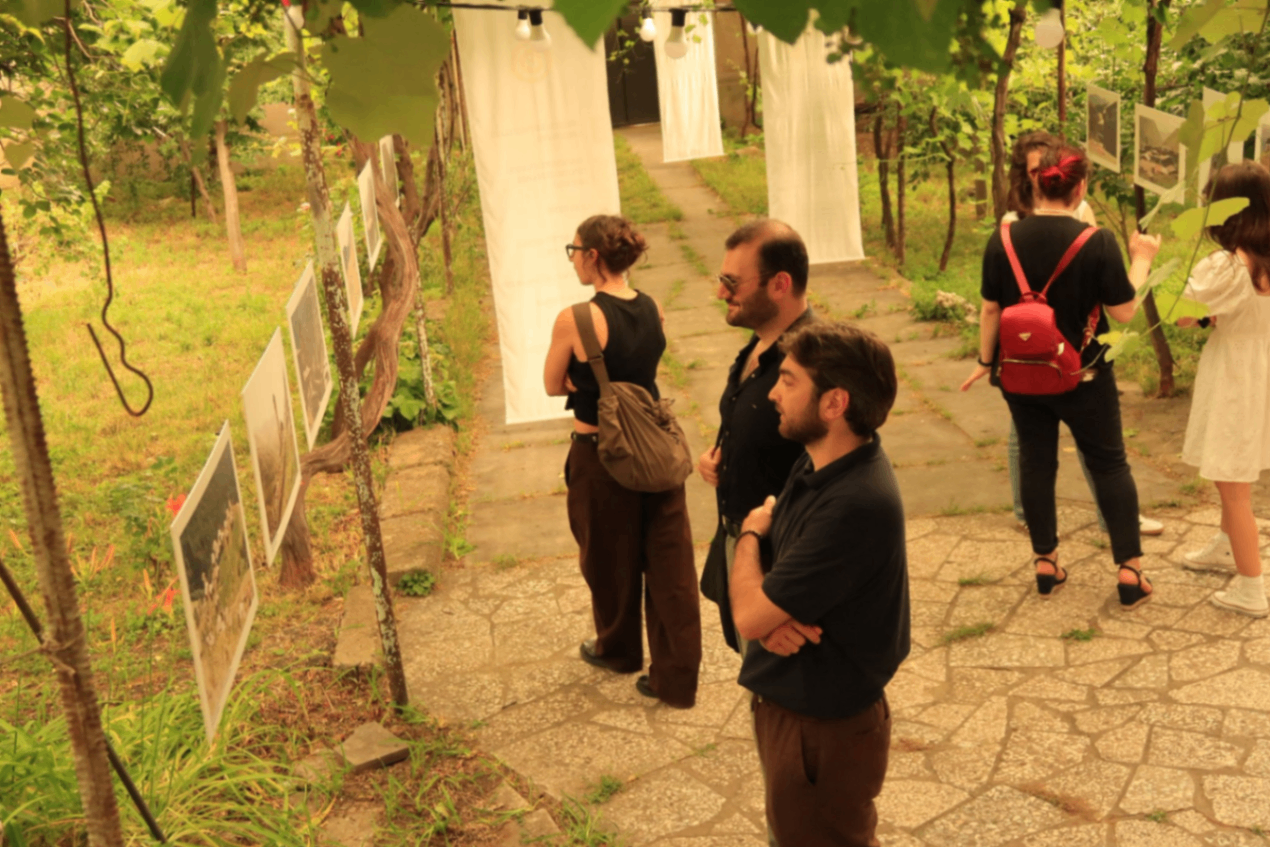
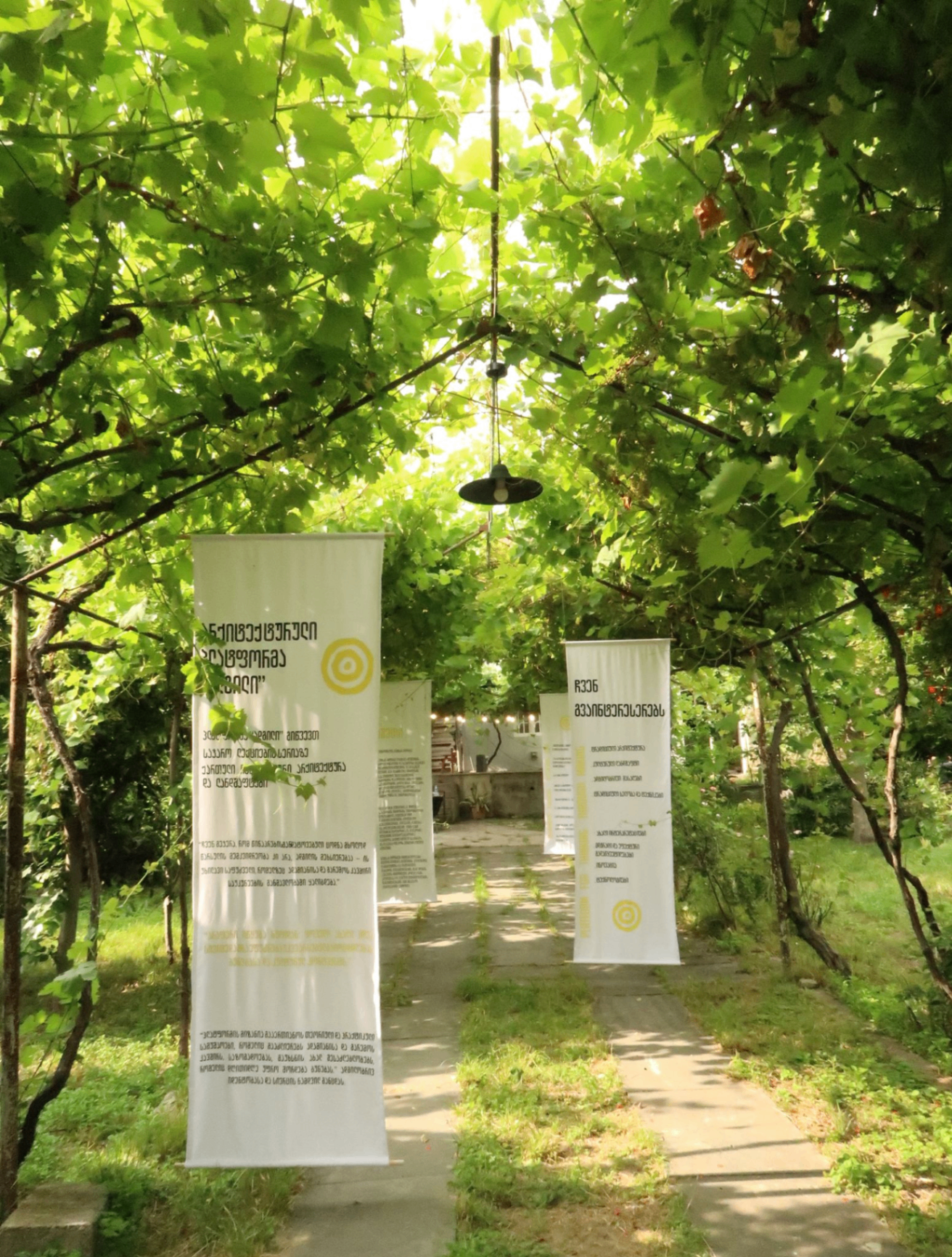
Alongside the lecture, visitors explored a photography exhibition featuring images taken by participants of the Aqtushetii Workshop. The exhibition documented Tusheti’s architecture, landscape, everyday life, and cultural heritage. Guests also had the opportunity to browse publications, research materials, and archival resources dedicated to the region.
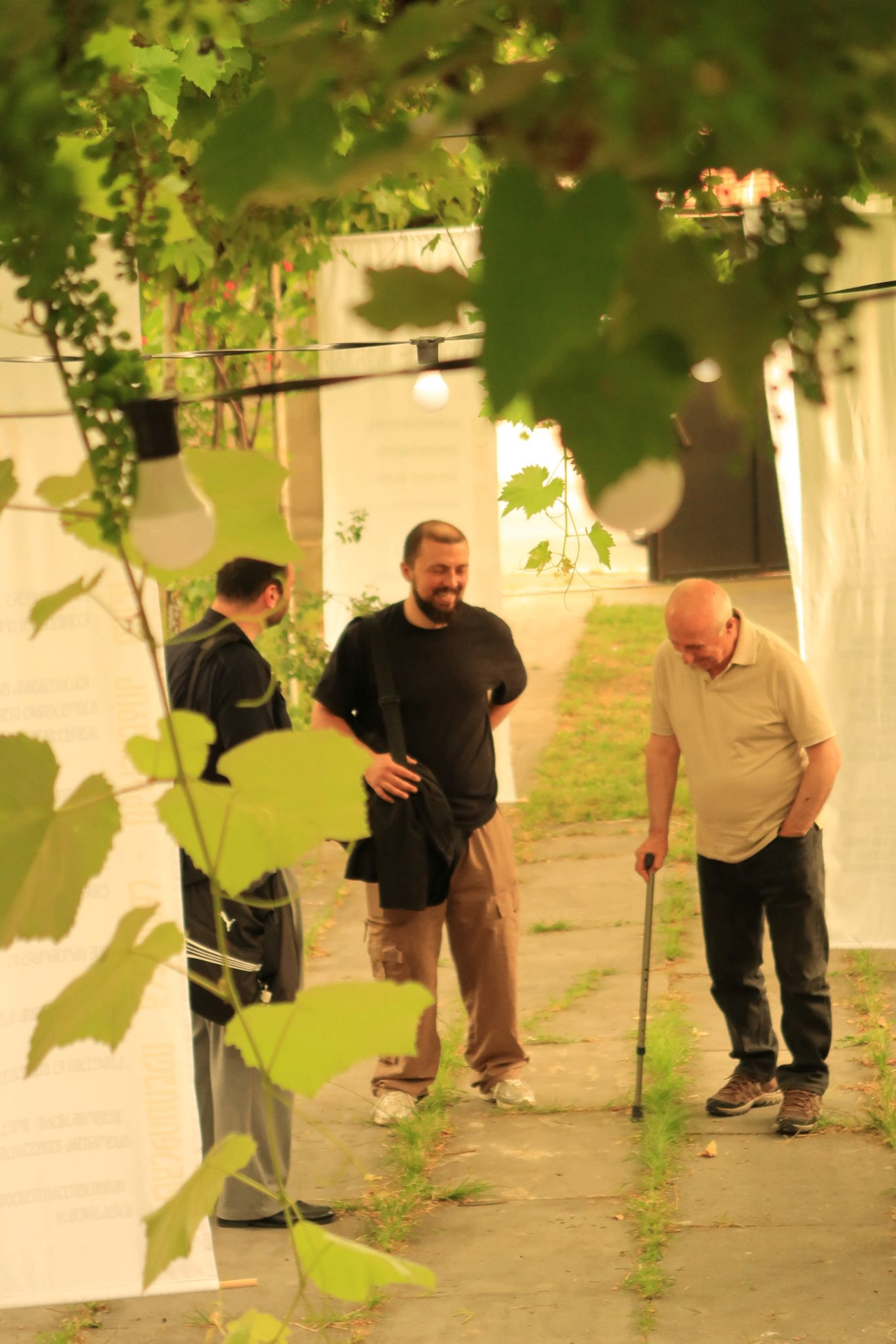
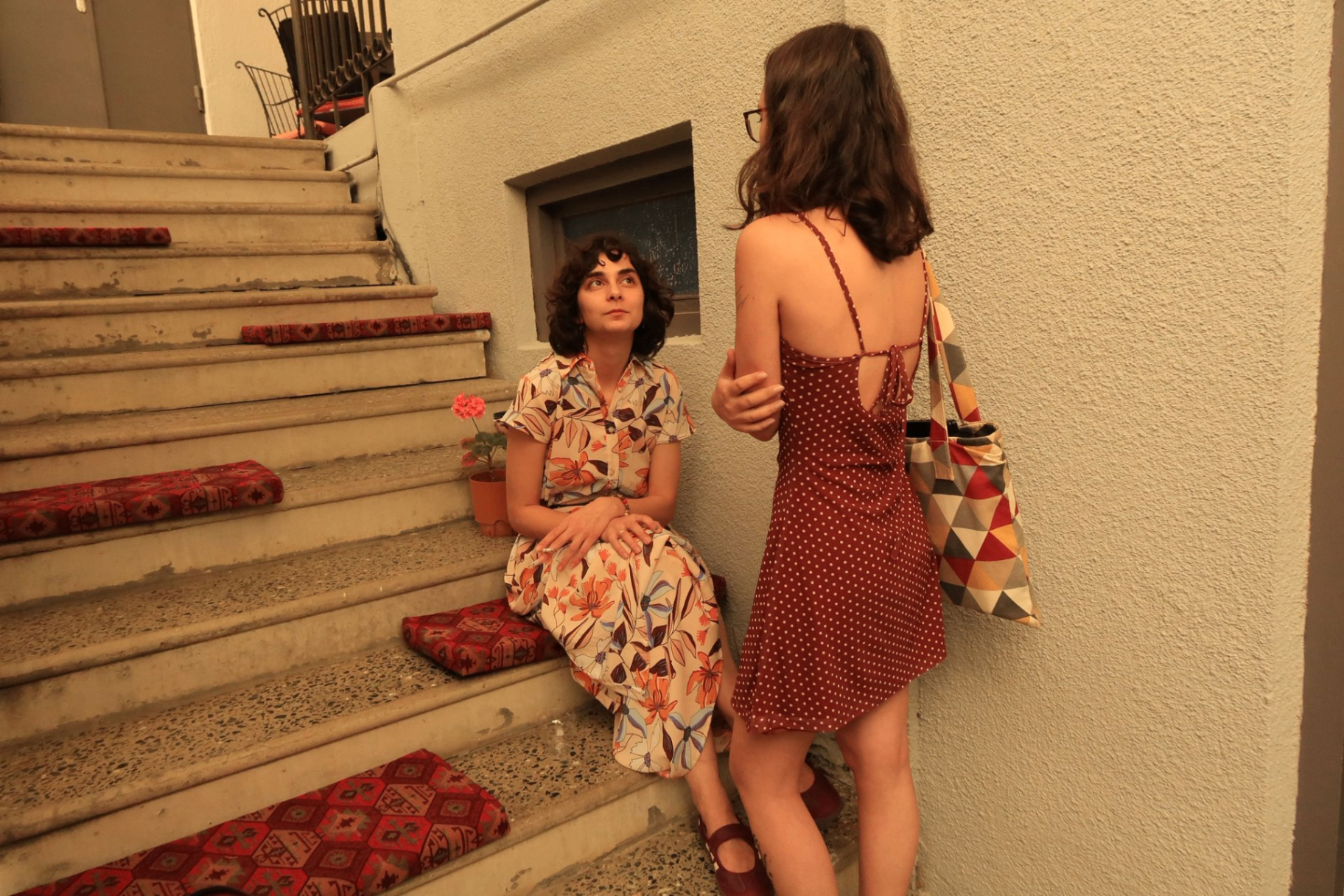
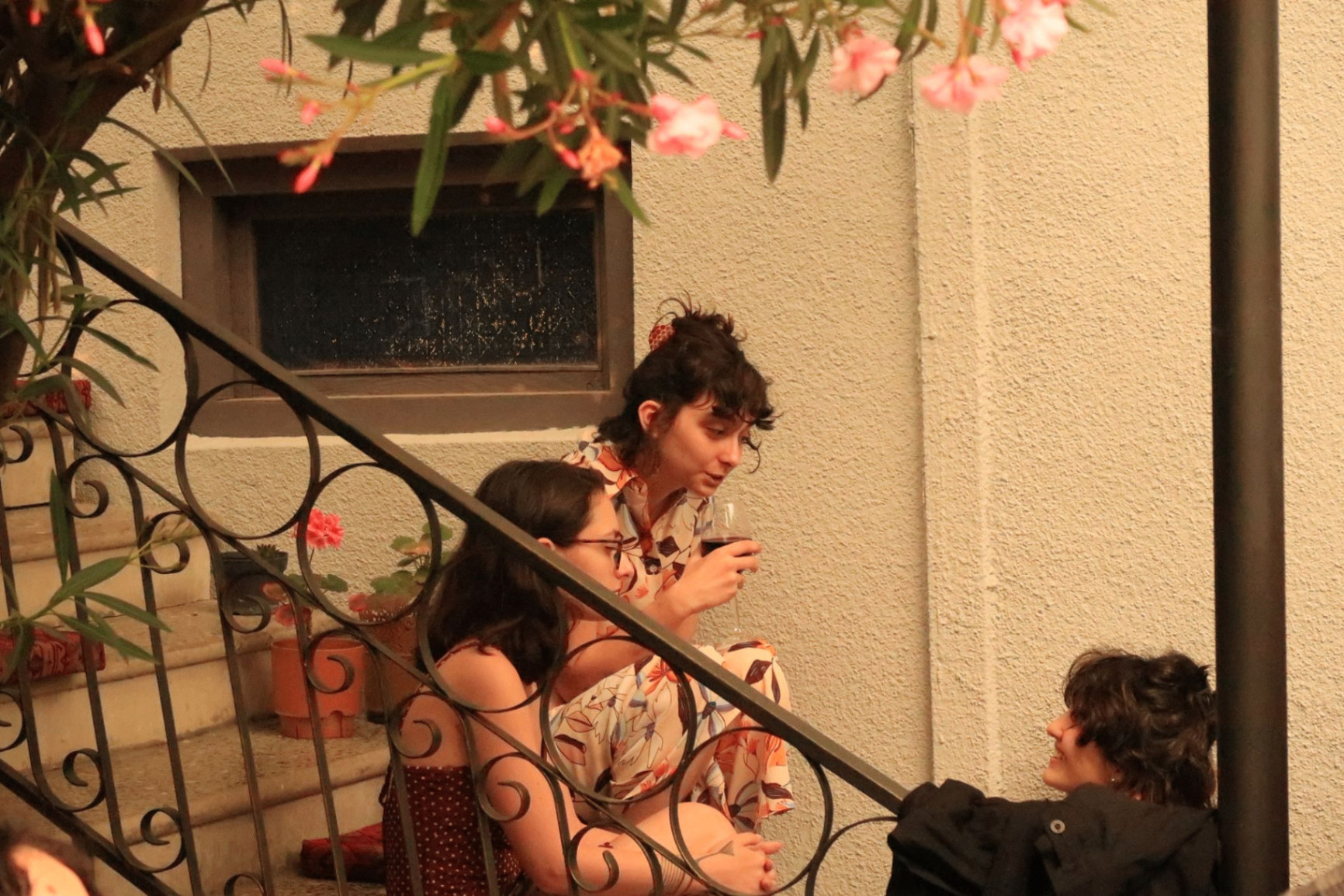
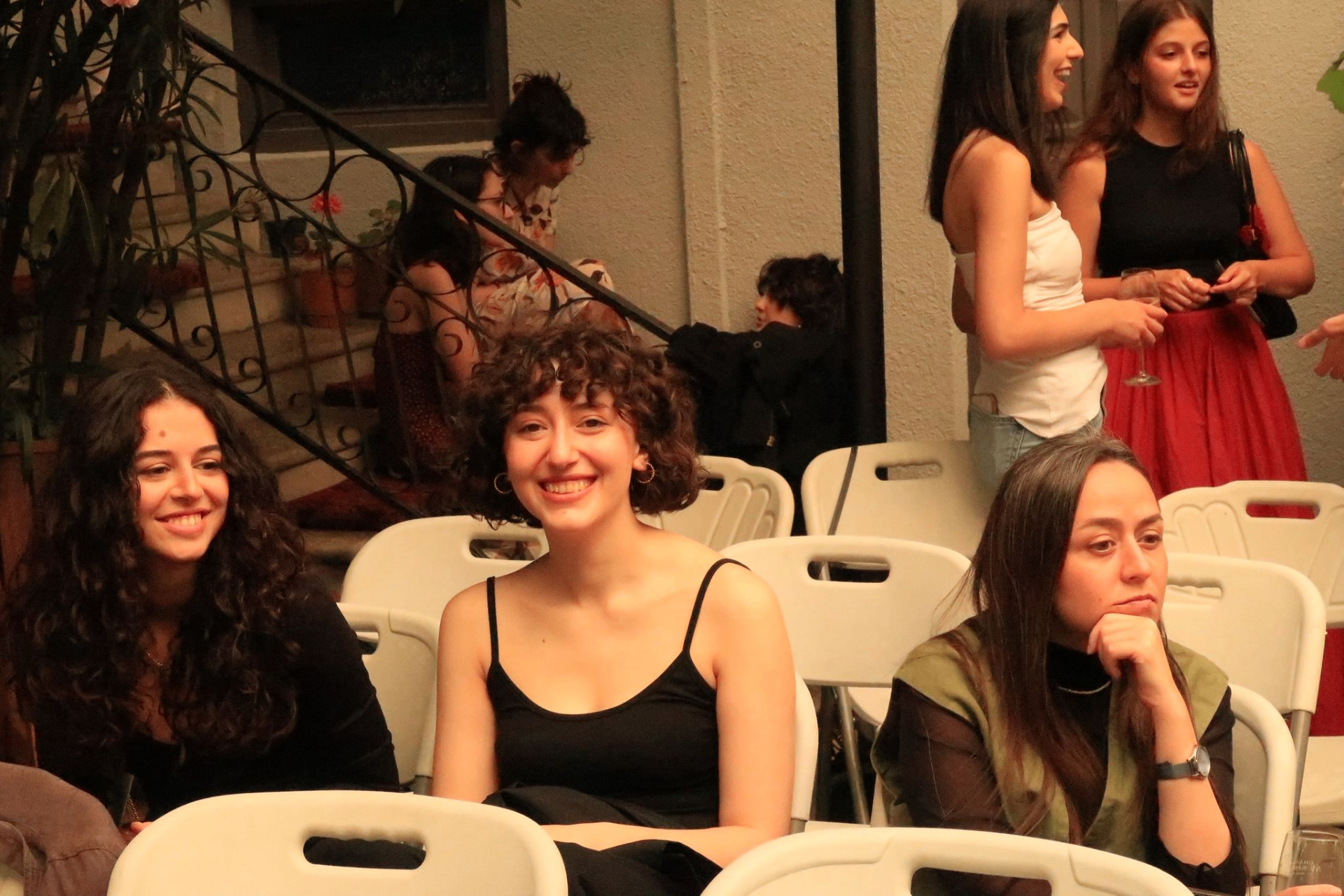
Yet the true value of the evening extended far beyond the lecture and exhibition themselves. Despite the rainy weather, the event became a space where people from different professional backgrounds and with diverse interests came together, engaged in meaningful conversations, and formed new connections. Creating environments that encourage dialogue, learning, and collaboration lies at the heart of Adgili Platform’s mission.
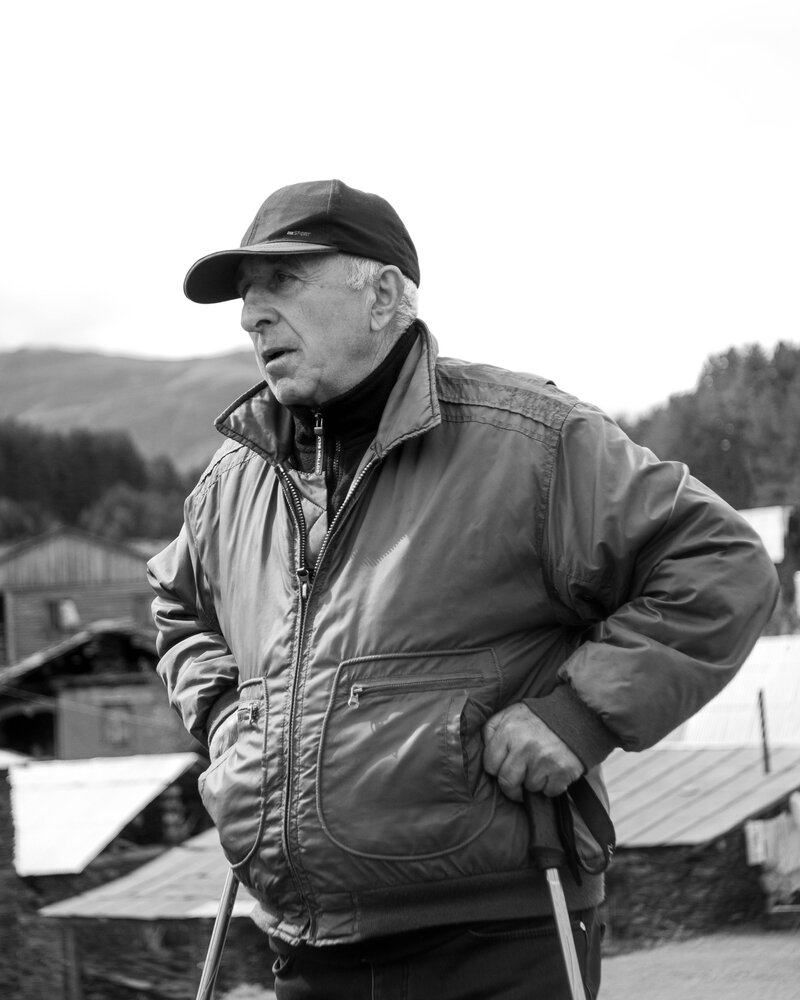
Nugzar Idoidze is far more than a researcher of Tusheti—he is an integral part of the region itself. Born and raised in Tusheti, where he continues to live today, he possesses an exceptional understanding of its history, culture, architecture, beliefs, traditions, and everyday life. His knowledge is rooted not only in academic research but also in decades of personal experience, observation, and lived reality.
His scholarly and creative work focuses on the study of mythology and the ways in which myth continues to shape contemporary societies. Through this perspective, he explores the deeper layers of Tushetian culture, including collective memory, oral traditions, rituals, symbolism, and distinctive ways of understanding the world.
His publications invite readers to see Tusheti not merely as a geographical region but as a living cultural landscape. Among his most significant works are Tusheti: Mythological Aspects of Georgian Sub-Ethnic Culture and Ethno-Ecological and Ethno-Cultural Tusheti, both of which provide invaluable insight into the region’s rich cultural heritage.
Throughout the lecture, Mr. Idoidze shared not only his extensive knowledge but also his personal experiences, observations, and reflections with the audience. Particularly inspiring was his confidence in the younger generation and his belief in the importance of passing knowledge on to future researchers. His talk was at once academic, deeply personal, and profoundly inspiring.
Although he speaks modestly about his own achievements, Mr. Idoidze’s lifelong contribution to the study, preservation, and promotion of Tusheti’s cultural heritage is of immense significance. His publications, expeditions, and public engagement have become an essential part of the body of knowledge upon which contemporary research of Tusheti continues to build.
It was a great honour for Adgili Platform to open its public lecture series together with Nugzar Idoidze. We believe this event marks only the beginning of a long-term collaboration, and we look forward to developing many more meaningful projects together in the future.
Adgili Platform extends its sincere gratitude to Mr. Nugzar Idoidze, as well as to all our guests, participants, and supporters who made this evening such a memorable and meaningful experience.
As the roads to Tusheti reopen for the season, we hope that many more people will have the opportunity to visit this extraordinary region, meet its people, and discover the remarkable cultural world whose stories Nugzar Idoidze has devoted his life to preserving and sharing.