
Beyond Resistance
Modern seismic design has largely pursued resistance—adding mass, stiffness, and reinforcement in an effort to control movement. Yet across repeated seismic events, failure has often occurred not from insufficient strength, but from an inability to accommodate motion.
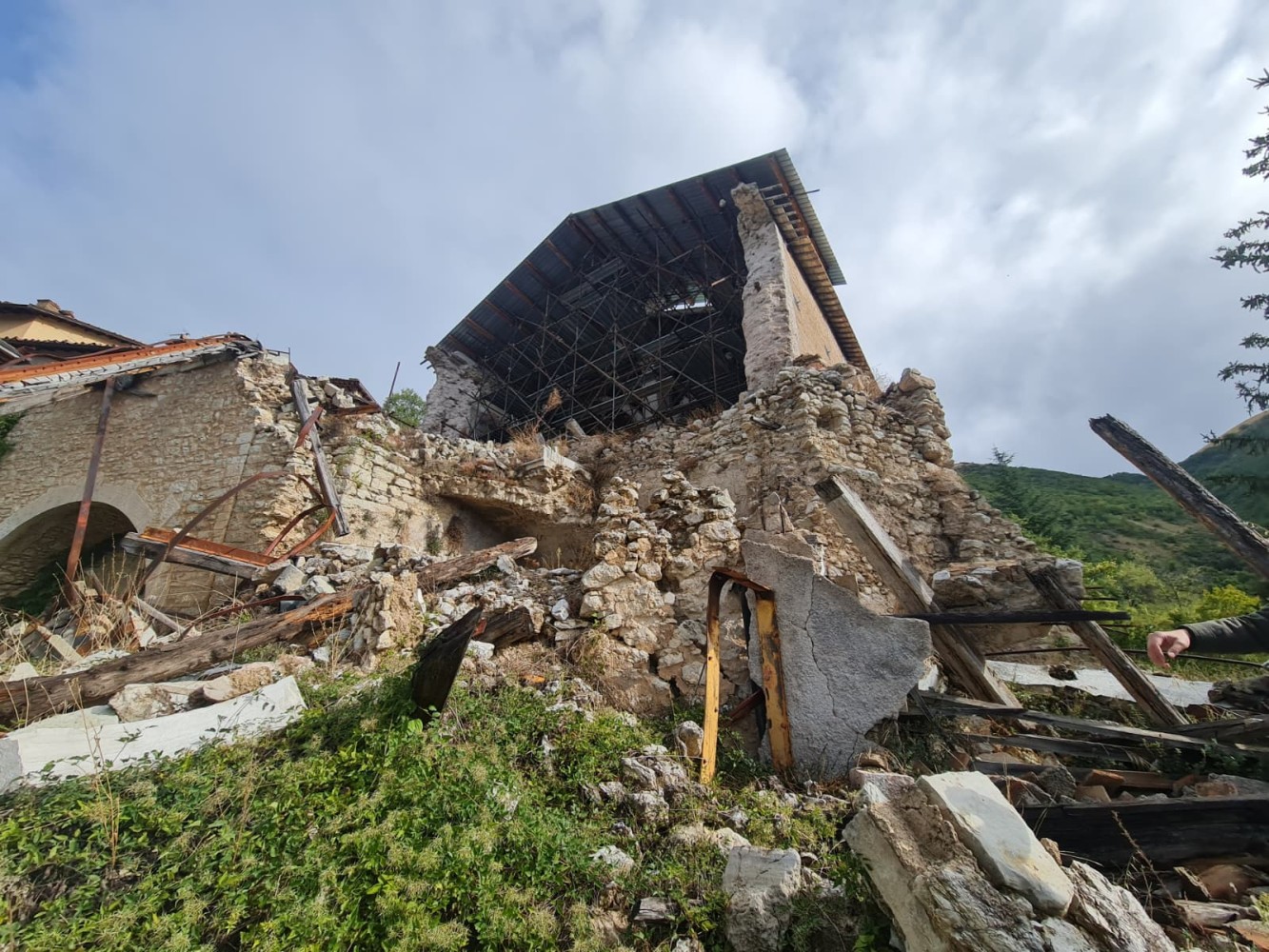
In contrast, a quieter and more enduring principle emerges from traditional construction across seismic regions: Flexible Rigidity.
Flexible Rigidity can be understood as a structural strategy in which stability is achieved not through resistance to deformation (as in classical flexural rigidity), but through controlled, distributed movement across multiple elements.
From East Asia to South America, traditional builders developed structures that do not oppose the earth's motion, but adapt to it—responding through thousands of micro-adjustments rather than a single catastrophic failure.
The Heart of the Pagoda: Japan's Independent Spine
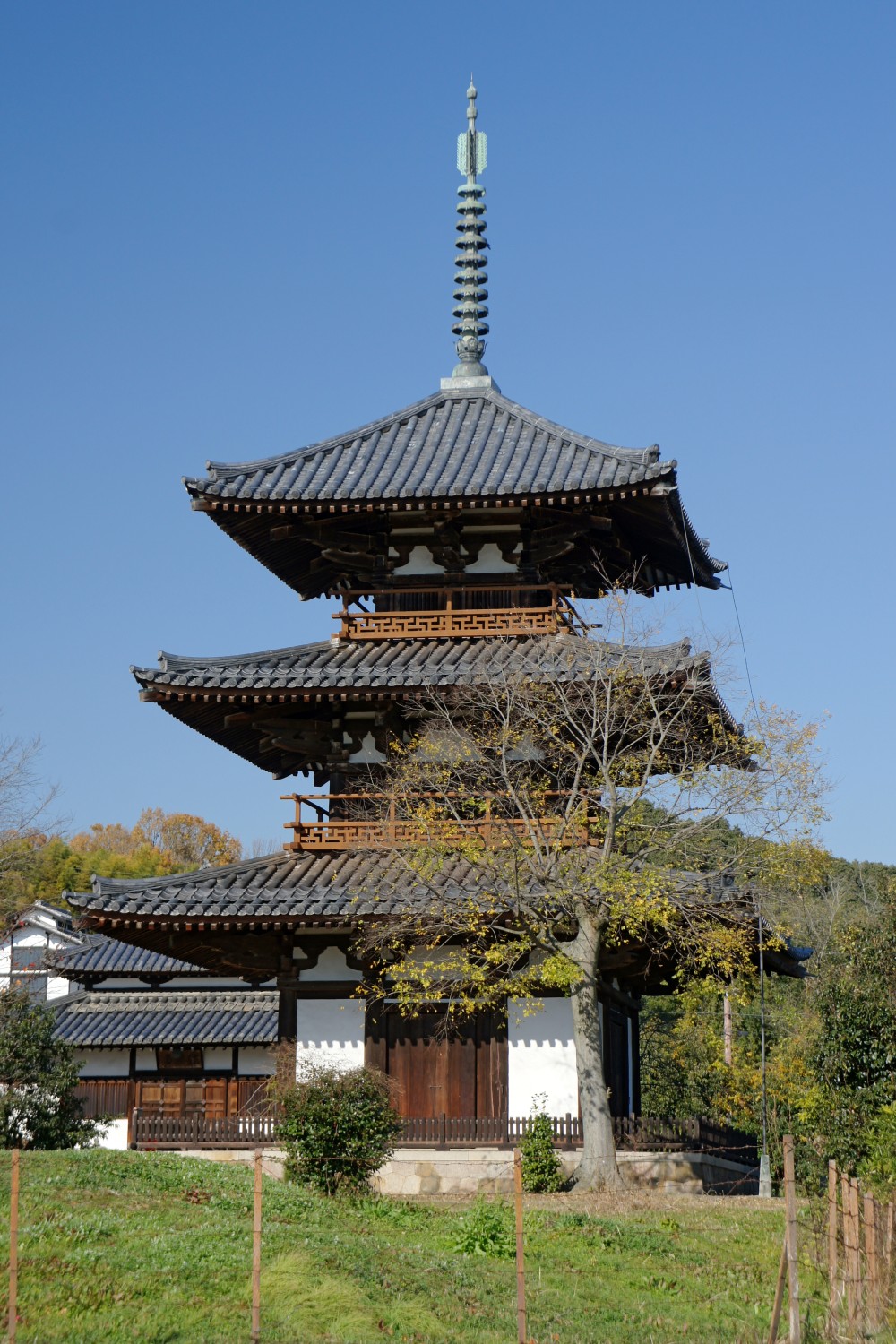
In the high-seismic landscape of Japan, the multi-story pagoda is widely recognized for its remarkable seismic performance. Central to this resilience is the shinbashira—a vertical timber column that runs through the structure, often loosely connected or even suspended.
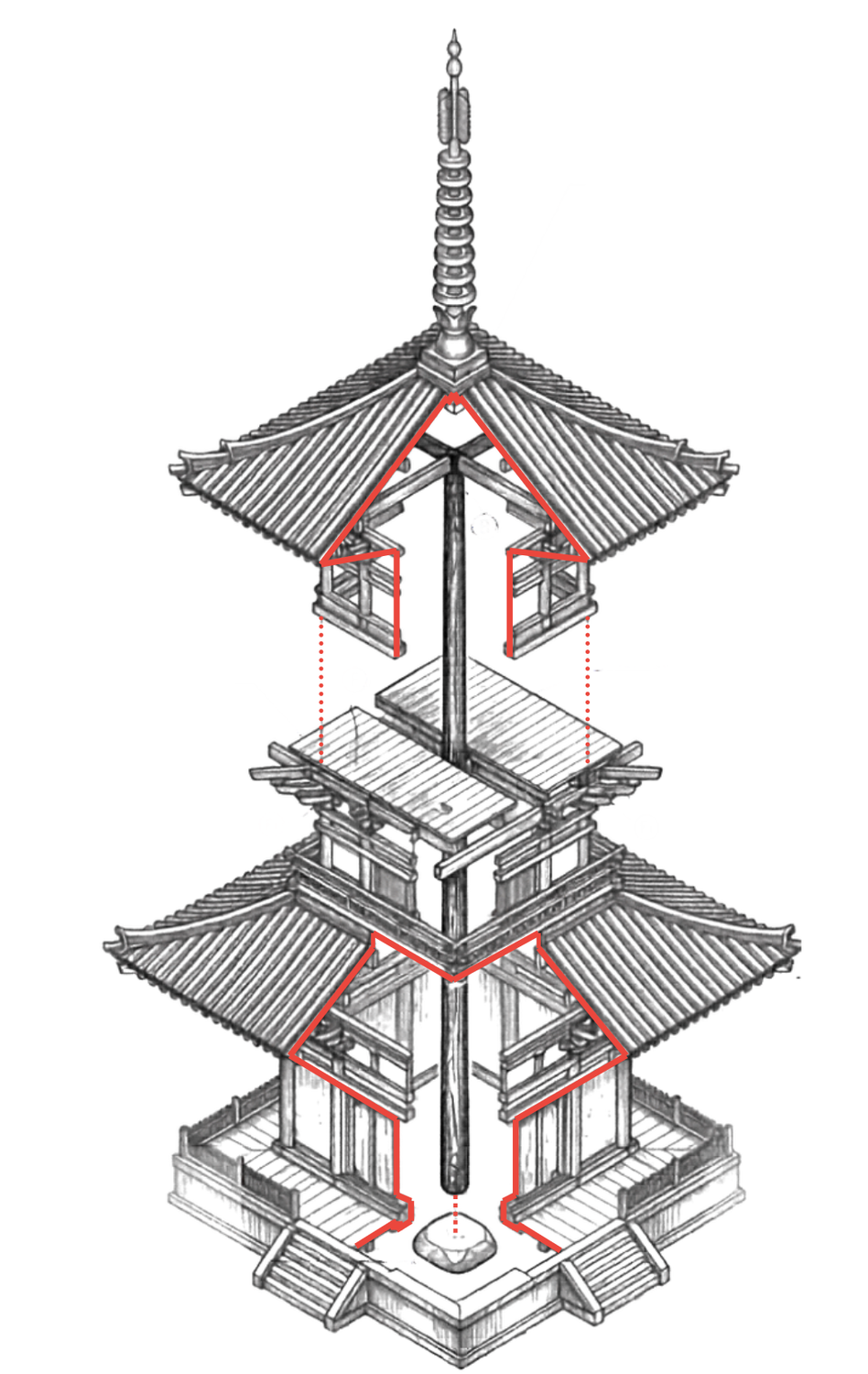
During seismic activity, the stacked floors behave as semi-independent masses, swaying with slight phase differences. The shinbashira acts as a passive stabilizing element, reducing oscillation through dynamic interaction rather than rigid constraint.
By avoiding continuous rigid connections, the system mitigates the amplification of motion—the so-called "whip effect"—that can lead to structural failure in more monolithic systems.
The Timber Cage: Kashmir's Dhajji Dewari
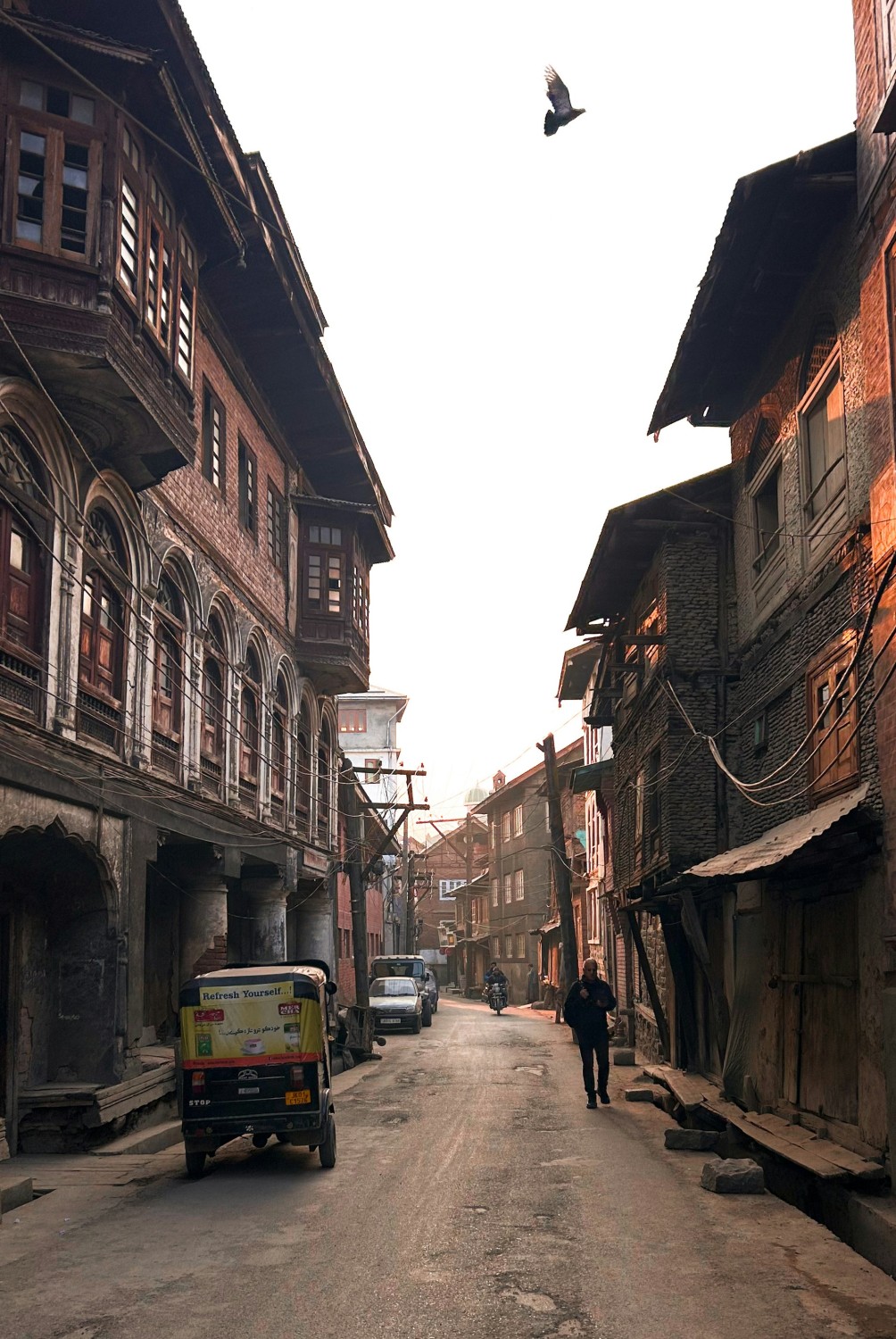
In the Himalayan regions of Kashmir, the Dhajji Dewari system offers a different expression of the same principle. Here, a timber frame is infilled with small masonry units set in weak mortar, forming a lattice of confined panels. Structurally, the timber provides tensile capacity, while the masonry contributes mass and friction.
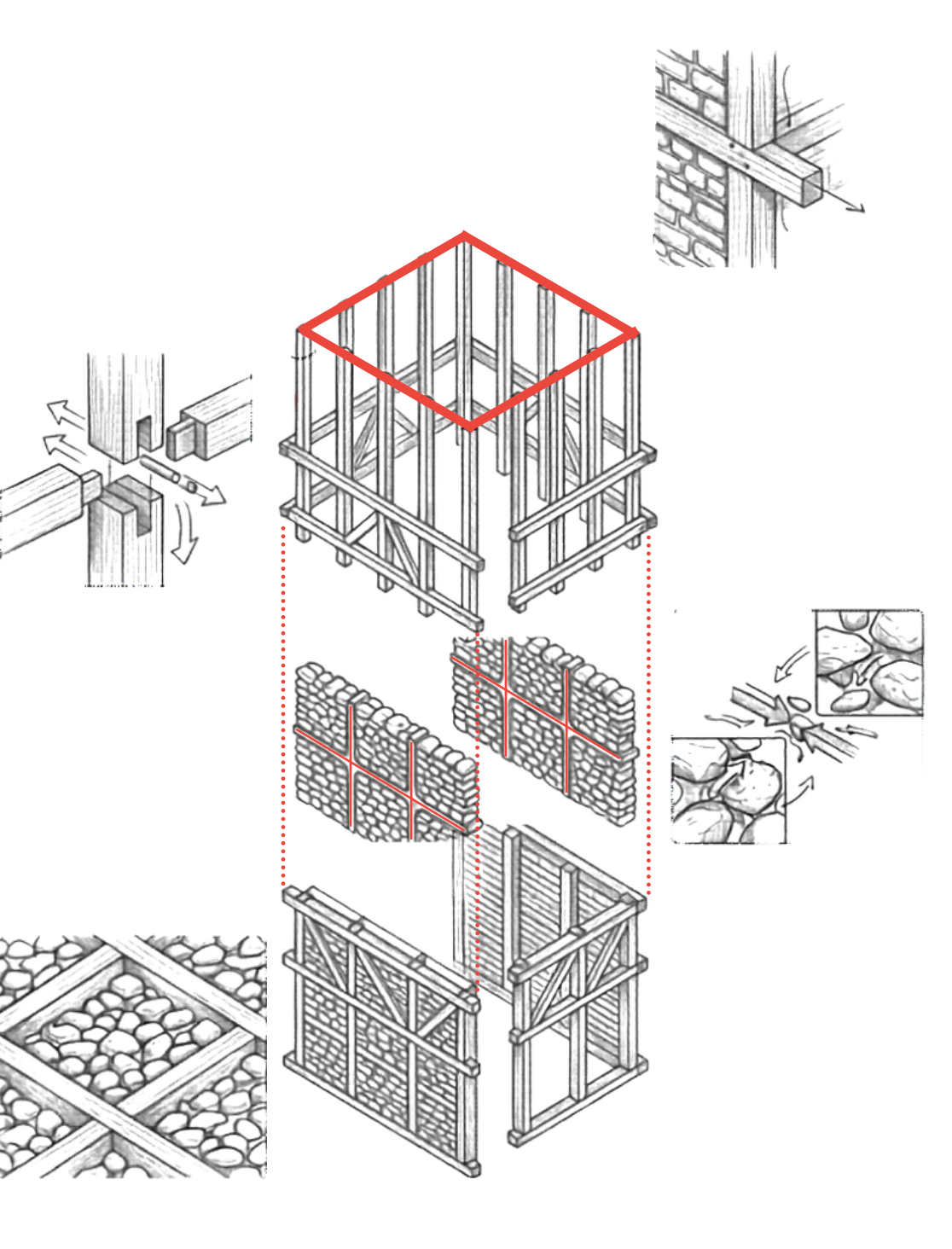
During an earthquake, the system behaves in a distributed manner: small infill sections may crack or dislodge, but the timber lattice maintains overall integrity. The fragmentation of failure is intentional—it prevents the propagation of cracks across the entire wall. Energy is dissipated through friction, micro-movements, and localized damage, rather than concentrated structural rupture.
The Weightless Wall: Peru's Quincha
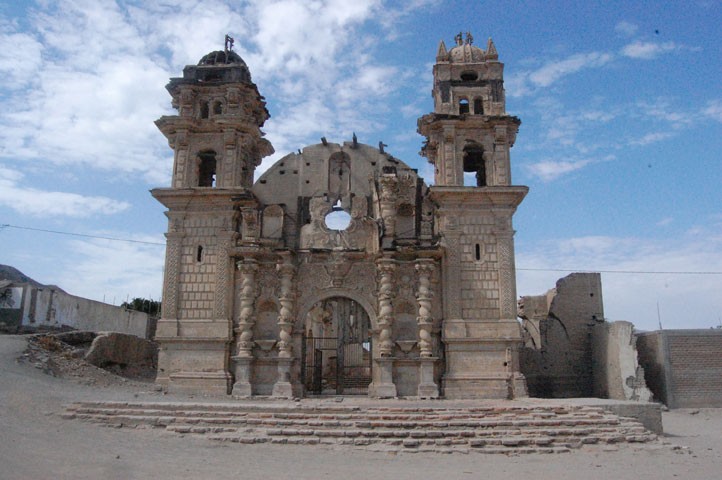
In seismic regions of Peru, builders developed Quincha—a lightweight system composed of cane or timber frameworks coated with earthen plaster. Its effectiveness lies in its mass—or rather, its lack of it.
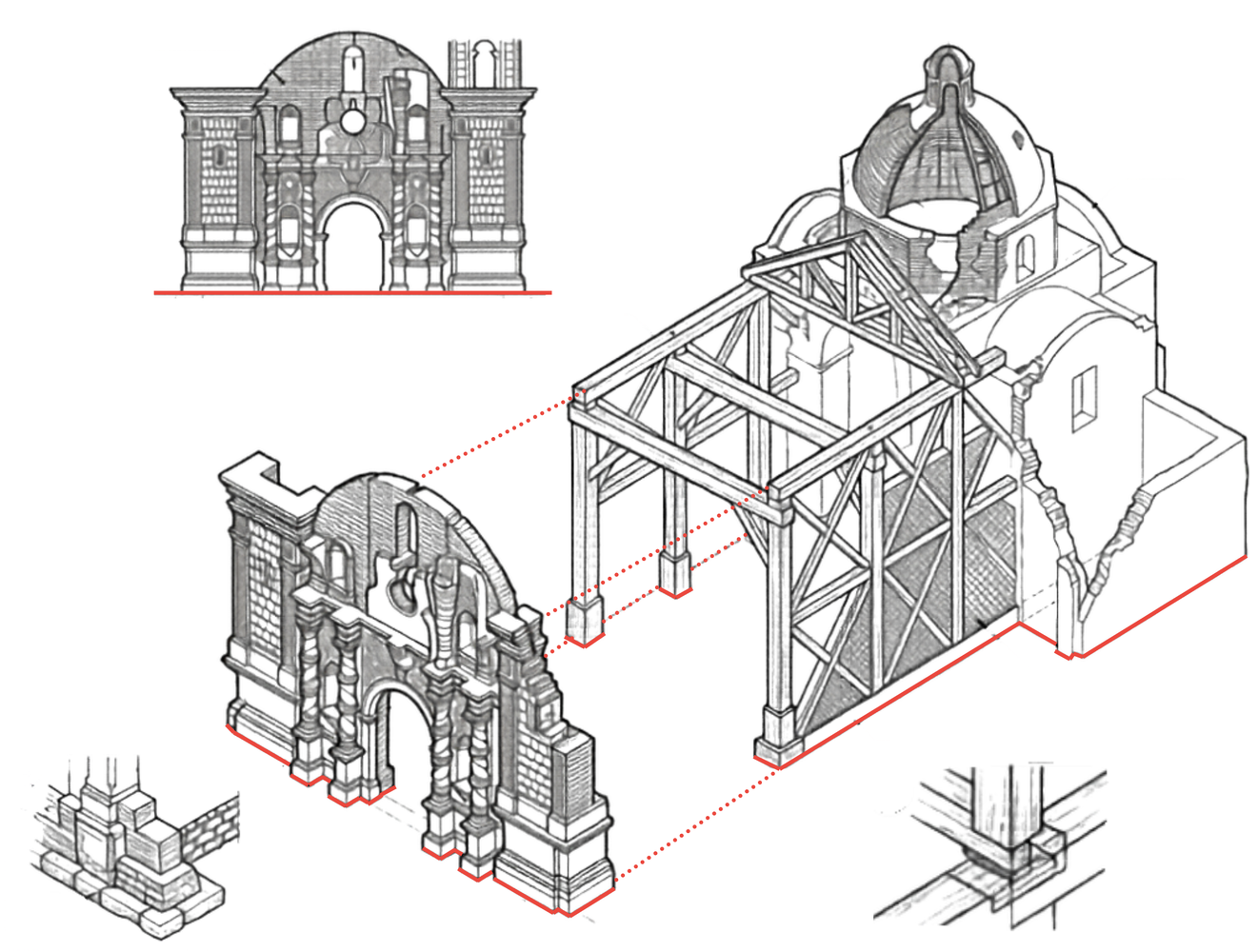
With a high strength-to-weight ratio, Quincha minimizes inertial forces during seismic events. Its flexible framework allows significant deformation without collapse, while its low mass reduces the energy imposed on the structure. However, in heavy masonry systems, which accumulate and release energy abruptly, Quincha absorbs and redistributes motion continuously.
The "Eye" of the Storm: The Lazian Oda House

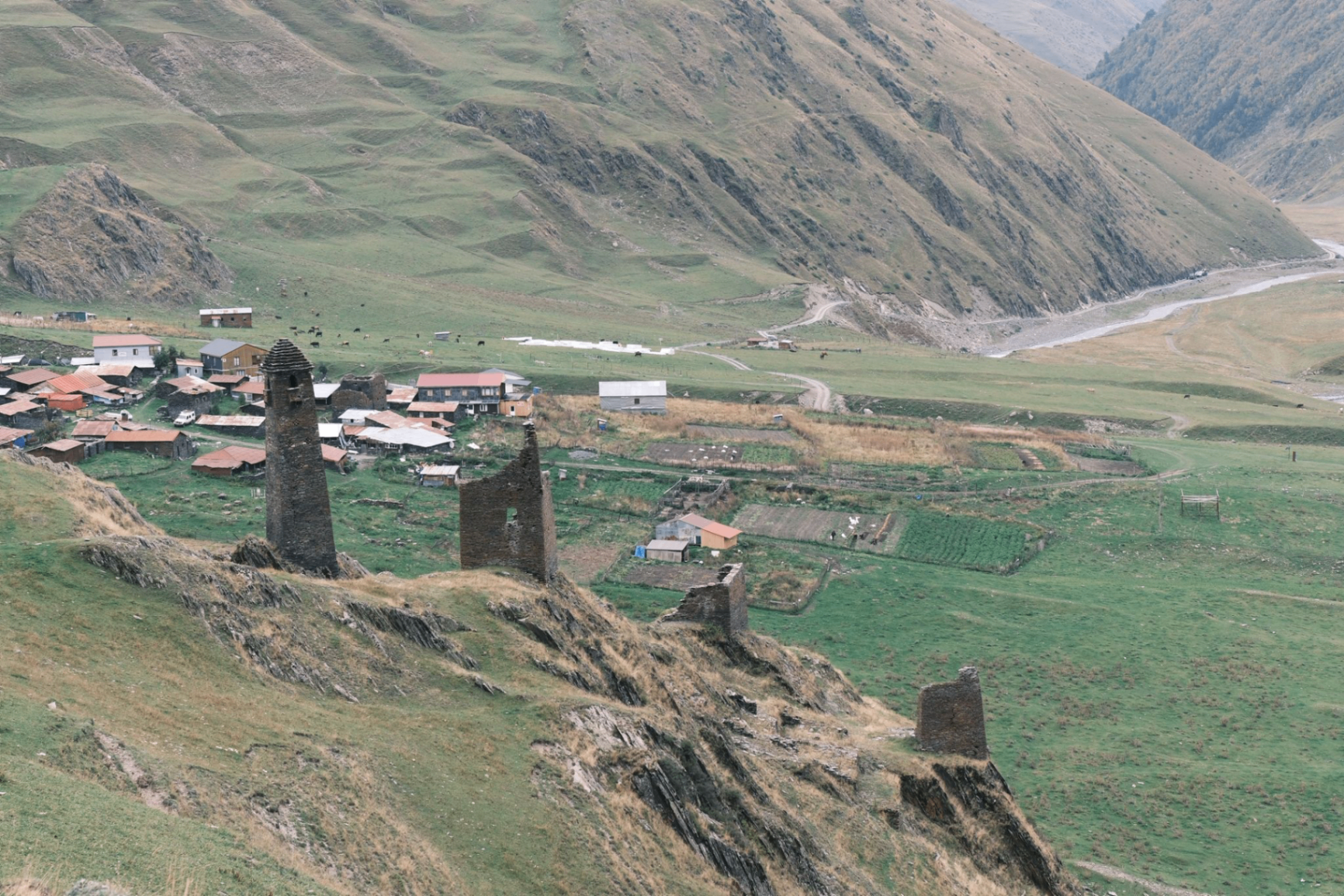
In the Eastern Black Sea region and adjacent Georgian territories, the Lazian Oda House presents a compelling parallel to these global systems.
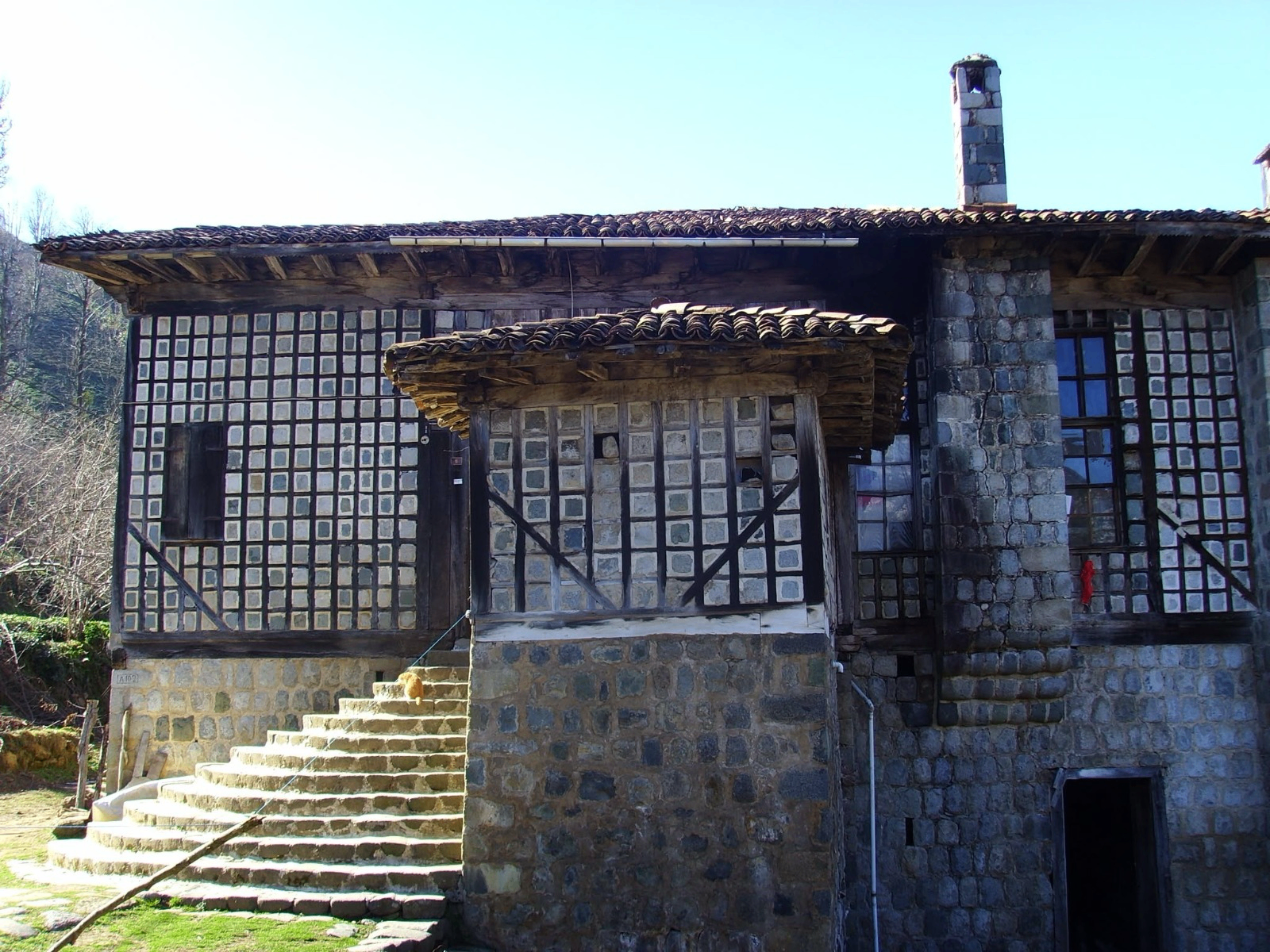
Constructed primarily from rot-resistant chestnut timber, the structure employs a dense grid of vertical and horizontal members, infilled with small masonry units arranged in the distinctive Göz Dolma ("eye-filled") pattern. This configuration is not only ornamental, at the same time it is a structural decision.
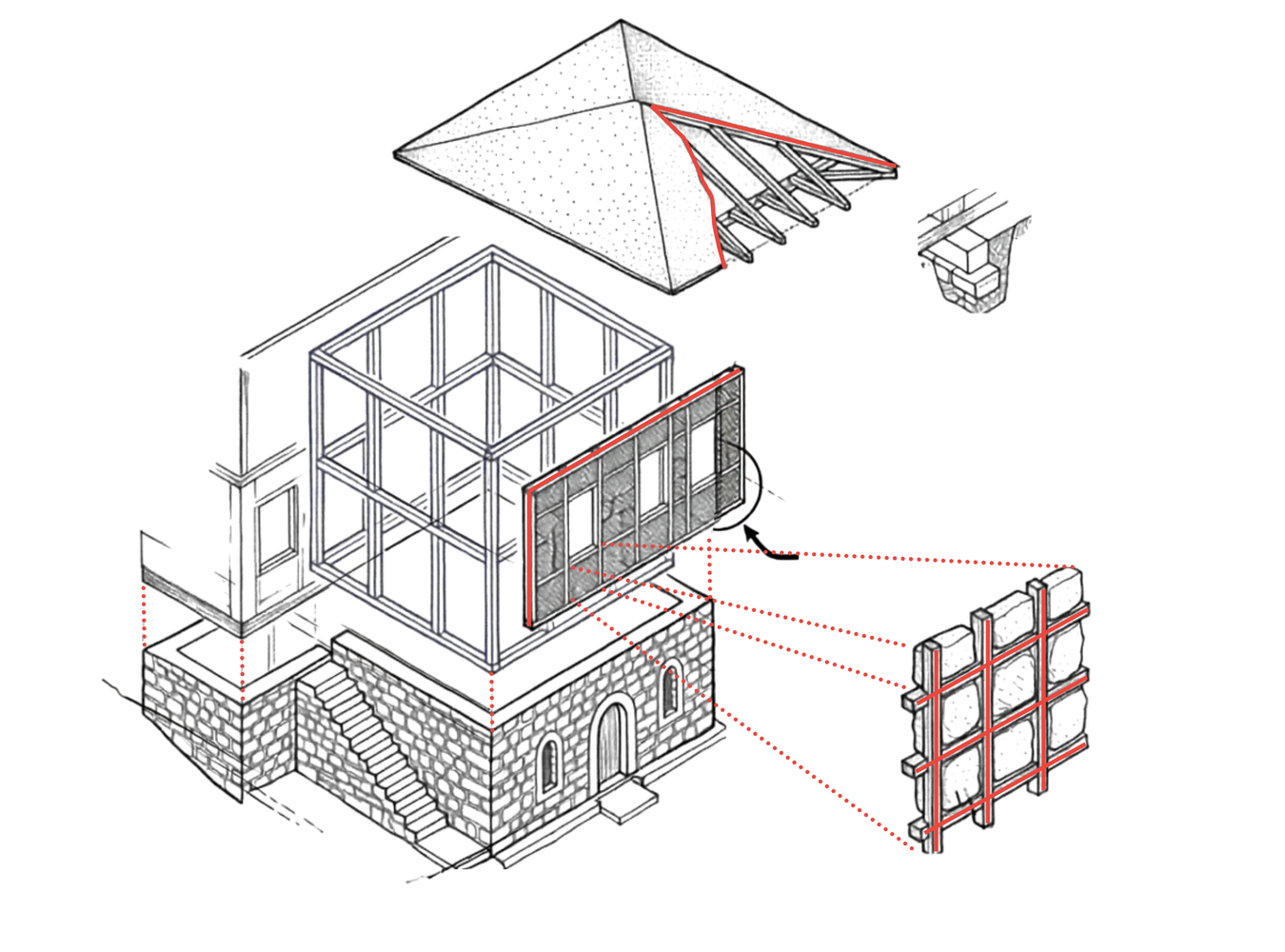
Like the Dhajji Dewari system, the Lazian house creates a compartmentalized wall assembly, where each infill unit operates within a confined frame. When it occurs, failure is localized. The system does not rely on the continuity of a single element, but on the redundancy of many. What emerges is a structure that behaves as a cohesive yet flexible system—a building capable of absorbing movement through distributed deformation.
The Lazian Oda House demonstrates that traditional craftsmanship, far from being intuitive alone, embodies a sophisticated understanding of structural behavior.
The Comparative Framework
Across these diverse geographies, a shared structural logic becomes visible. This can be articulated through four interrelated principles:
- Distributed Flexibility — Movement is not concentrated but spread across numerous joints and elements, reducing stress accumulation.
- Material Hierarchy — Systems combine rigid and flexible materials—timber and masonry, mass and elasticity—to balance stability and adaptability.
- Redundancy of Failure — Structural integrity does not depend on a single component; localized damage does not lead to total collapse.
- Energy Dissipation Through Friction and Movement — Seismic energy is absorbed through sliding, cracking, and micro-adjustments rather than being resisted outright.
Together, these principles describe not a stylistic tradition, but a performance-based approach to building—one that emerges independently across cultures facing similar environmental constraints.
The Path Forward: A Call for Technical Humility
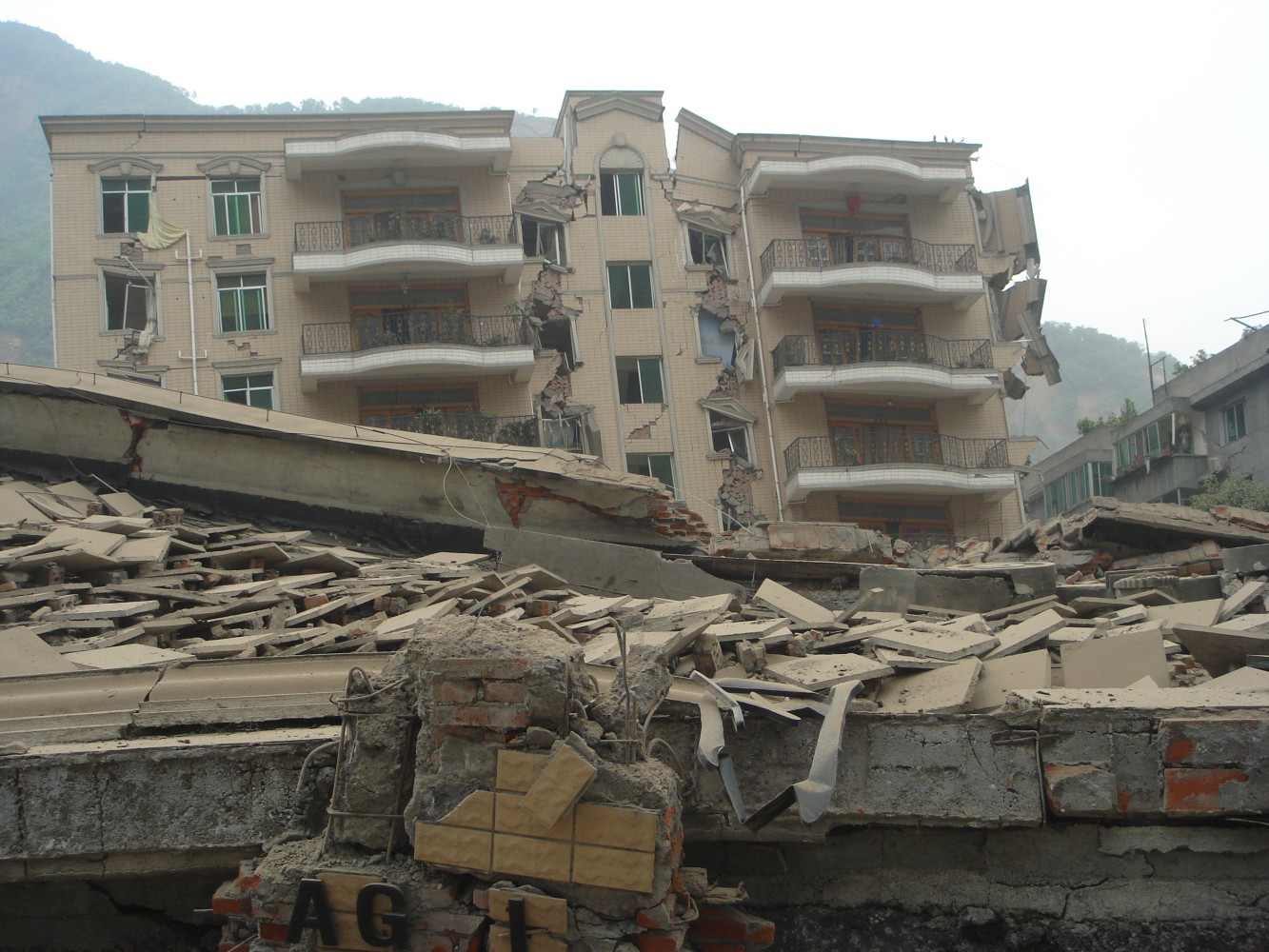
The contemporary reliance on standardized, rigid systems has, in many contexts, produced a subtle but significant fragility—structures that perform well under controlled conditions, yet remain vulnerable to unpredictable forces.
Traditional seismic systems offer a different perspective. Their resilience is not dependent on precision engineering alone, but on adaptability embedded within the structure itself.
This does not suggest a return to pre-modern construction. Rather, it points toward a necessary synthesis: the integration of traditional structural intelligence into contemporary design frameworks.
Because these systems are not relics. They are evidence of a long-standing understanding: That resilience is not achieved by resisting movement entirely, but by learning how to accommodate it.
Closing Reflection
Across continents and centuries, builders arrived at a similar conclusion without shared codes, software, or global communication. They built structures that move. Not as a compromise—but as a strategy.
And in doing so, they developed a form of knowledge that modern practice is only beginning to fully recognize: That the most resilient buildings are not those that stand still, but those that know how to move.
The original version of this article was published in The Heritage Report.
Sandro Kenkadze
Sandro Kenkadze is a Preservationist with international experience in heritage conservation. As a Restoration Staff member, he specializes in field surveys, existing conditions documentation, and architectural repair drawings, and is also involved in construction administration, including on-site inspections. His notable projects include the restoration of the Church of St. Paul and St. Andrew and 24 West 67th Street. Before joining WBMA, Sandro contributed to the preservation of UNESCO World Heritage sites in Georgia and participated in various international conservation projects. He holds a Master of Science in Historic Preservation, Resilience, and Sustainability from the University of Notre Dame, and both a Master's and Bachelor's degree in Restoration/Conservation, Art History, and Theory from Tbilisi State Academy of Art. Sandro also serves as an Ambassador of the University of Notre Dame representing the country of Georgia, and is an active member of Europa Nostra Georgia and the European Students' Association for Cultural Heritage (ESACH).