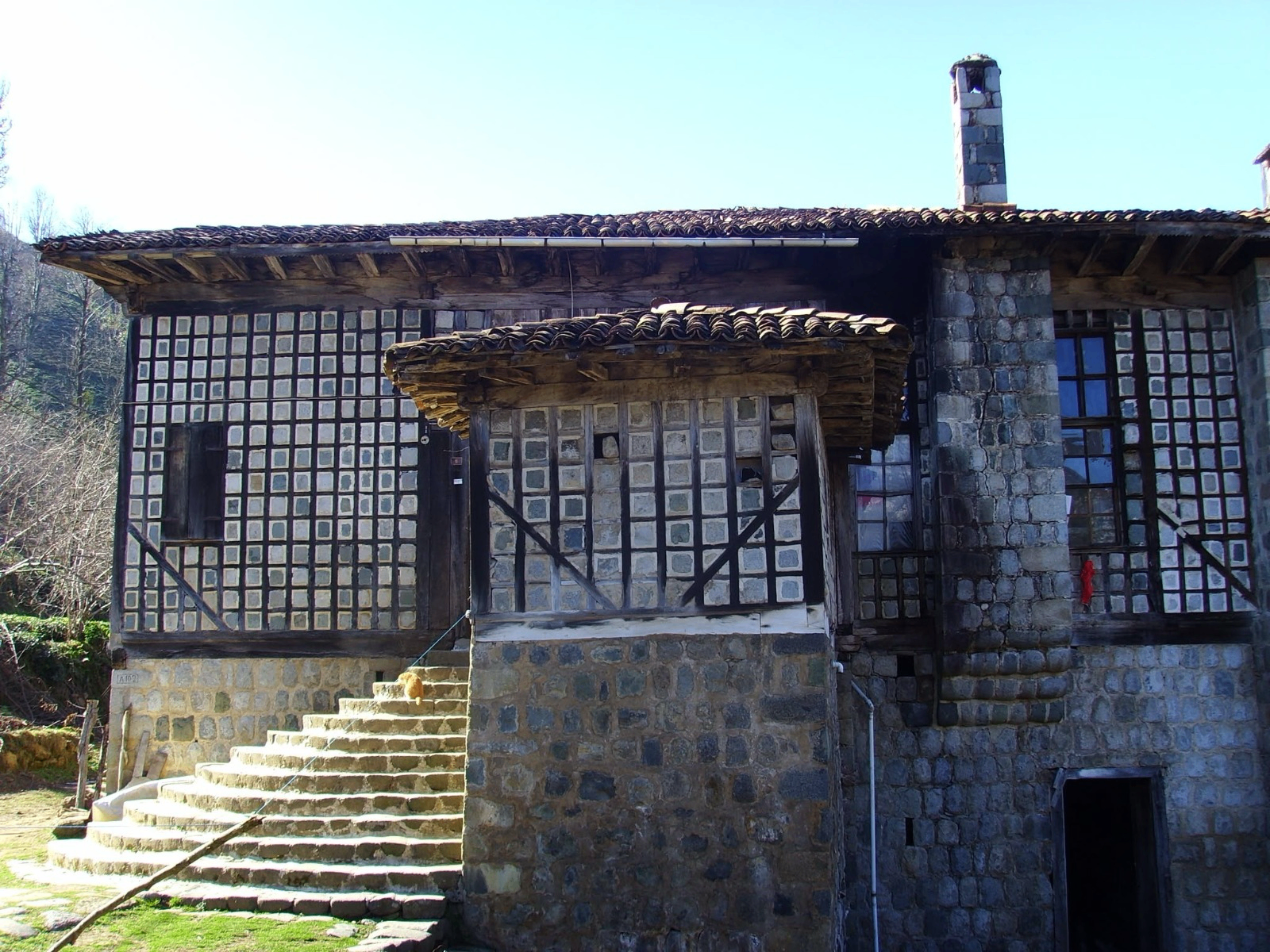

Interest in natural building materials has grown significantly in recent years. Climate change, the high carbon emissions of the construction industry, and the growing demand for healthier living environments have encouraged architects and researchers to rethink traditional materials. One of the most compelling examples of this approach is the European research project CobBauge.
CobBauge is an international research project developed through the collaboration of universities, architects, engineers, and craftspeople from England and France. Its primary objective was to adapt the traditional earthen construction techniques of Cob and Bauge to contemporary building requirements by developing a wall system that is environmentally sustainable, energy-efficient, and compliant with modern building regulations.
What are Cob and Bauge?
Cob and Bauge are traditional earthen building techniques that have been used for centuries in south-west England and north-west France. Their main components are locally sourced soil, sand, clay, water, and plant fibres, primarily straw.
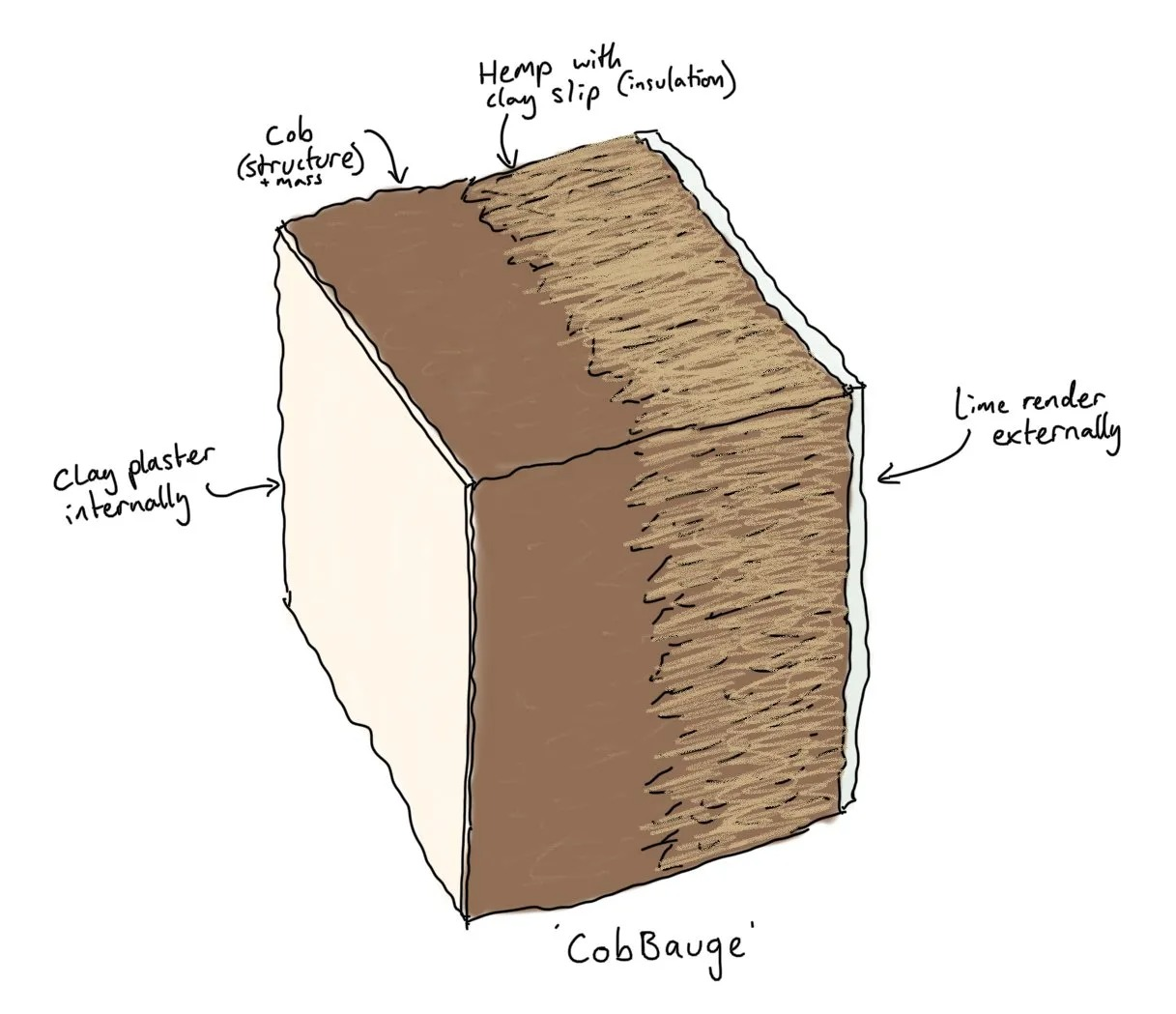
Many buildings constructed using these techniques still stand today, demonstrating the remarkable durability of earthen construction. However, despite their longevity, traditional earthen walls no longer meet today's thermal performance requirements. Traditionally, these buildings relied on very thick walls to achieve thermal comfort through the mass of the earth itself. CobBauge demonstrated that by separating the structural and insulating functions into two distinct earthen layers, it is possible to use the material more efficiently while achieving improved thermal performance.
Addressing this challenge became the central goal of the CobBauge project.
Research
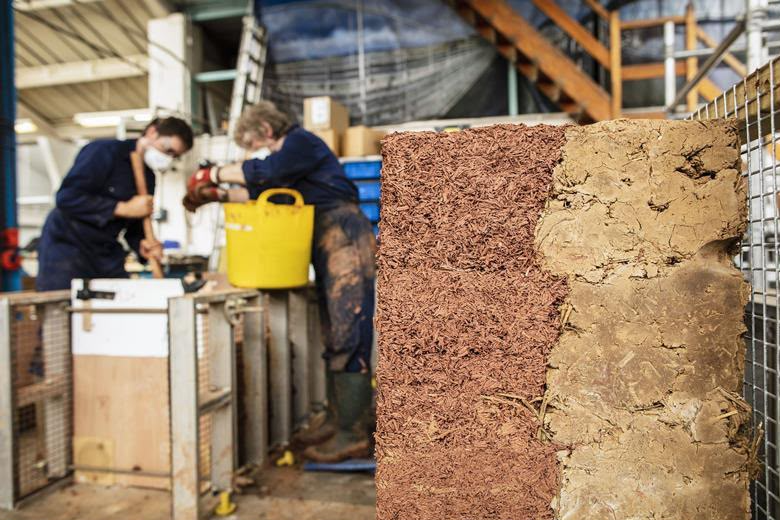
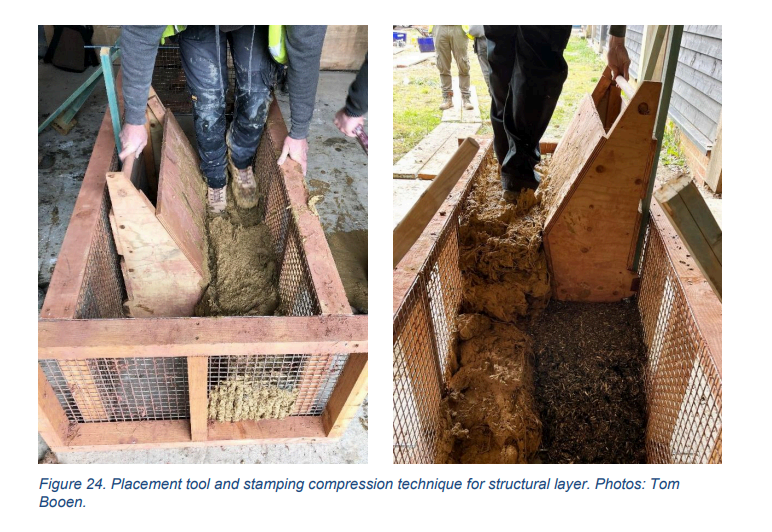
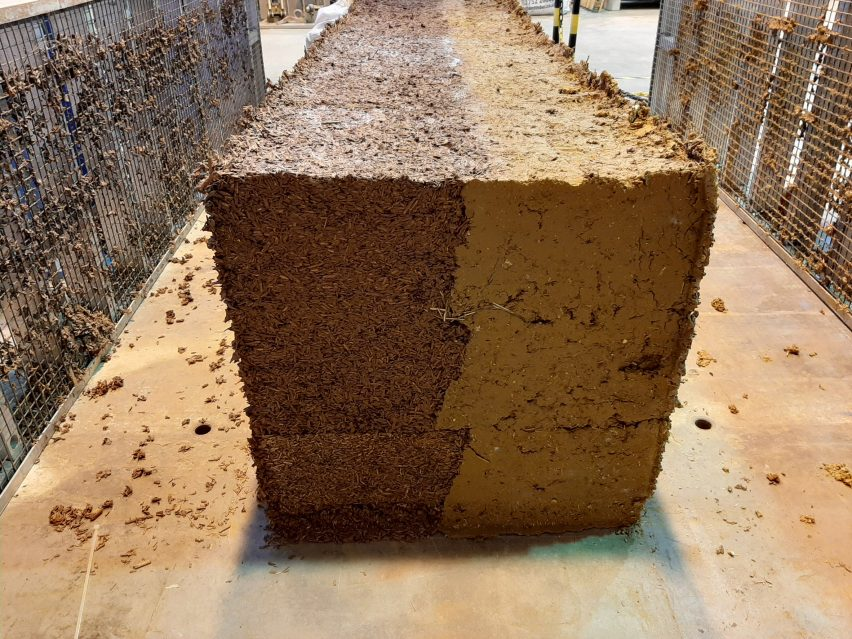
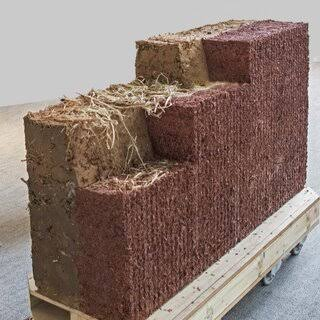
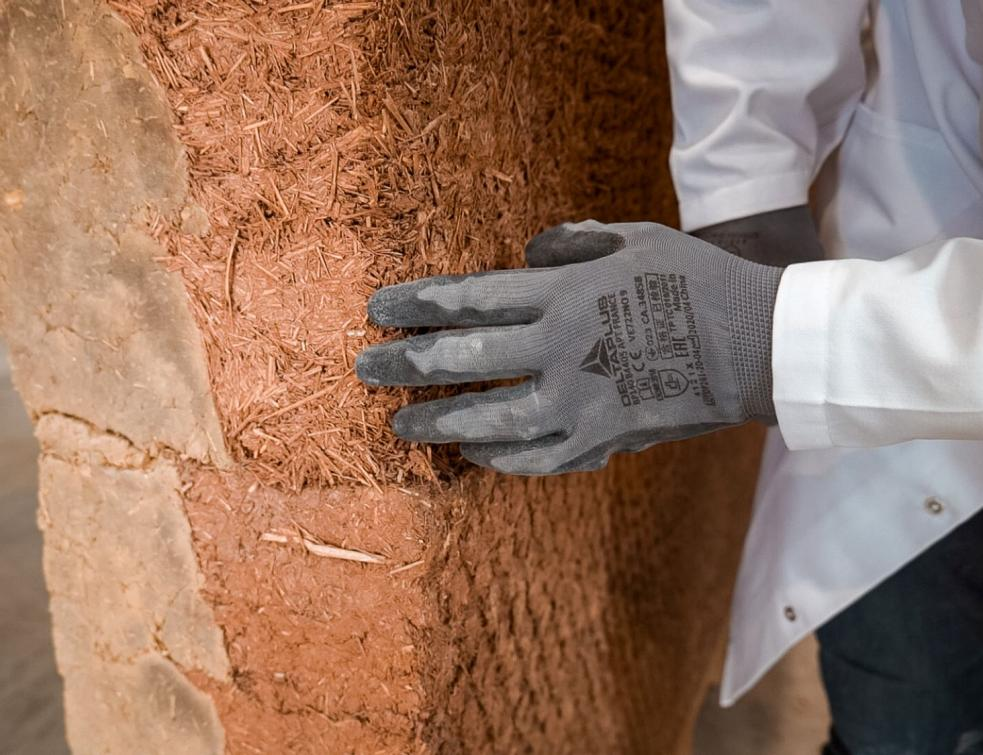
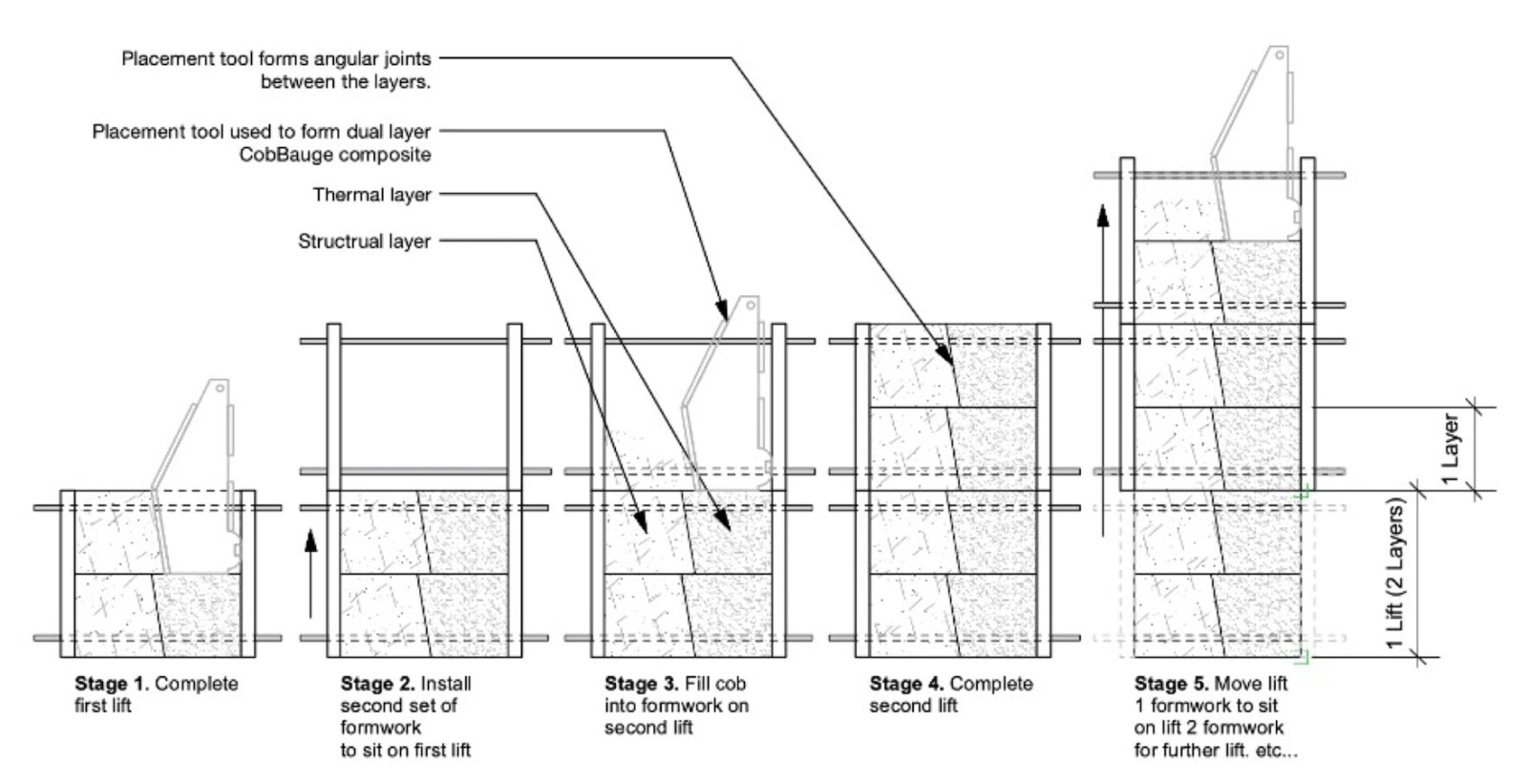
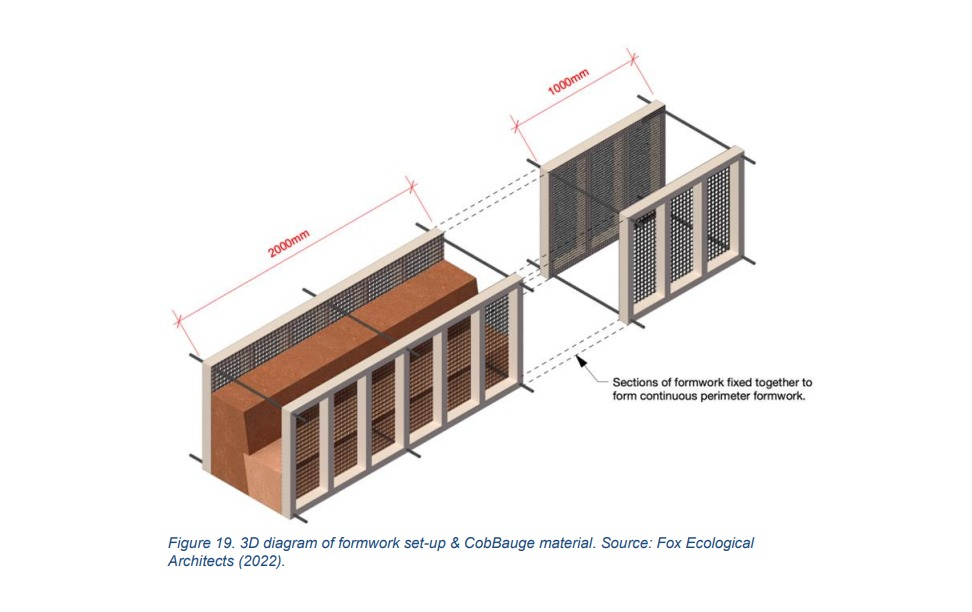
As part of the project, researchers analysed different soil compositions and natural fibres, carried out extensive laboratory testing, and developed a new wall system that combines two distinct earthen mixtures.
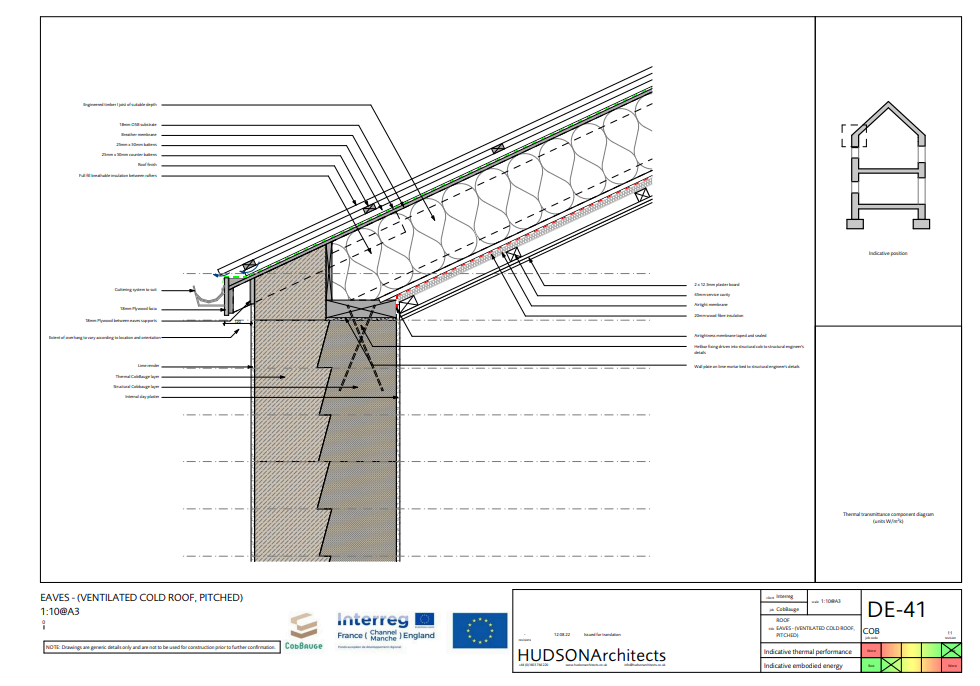
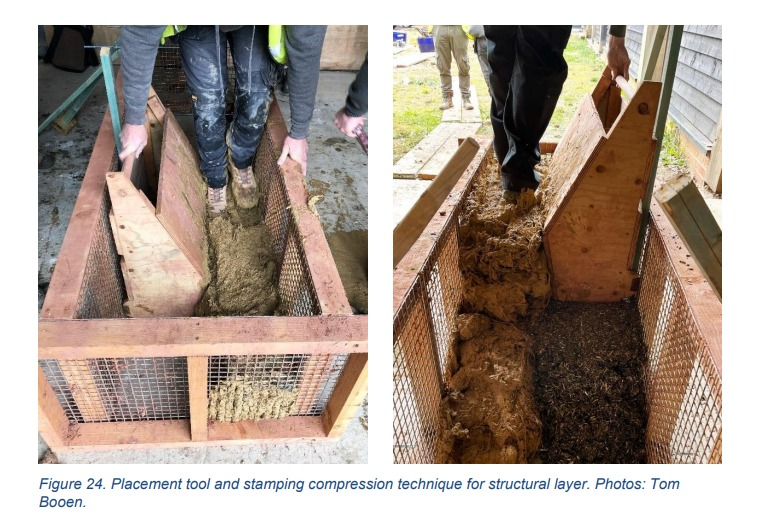
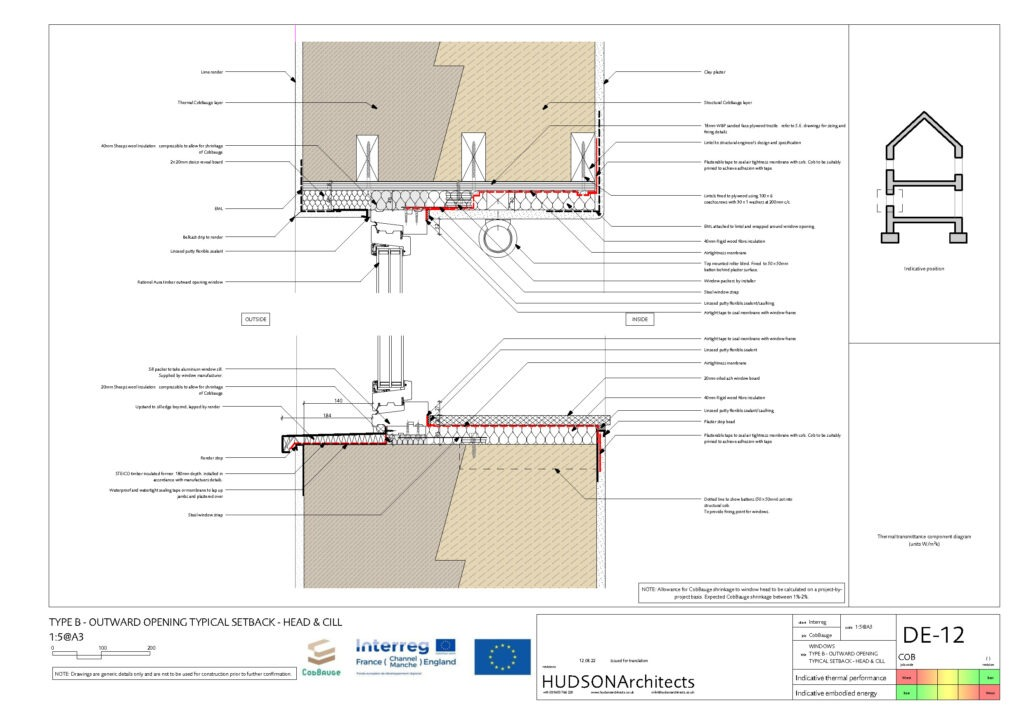
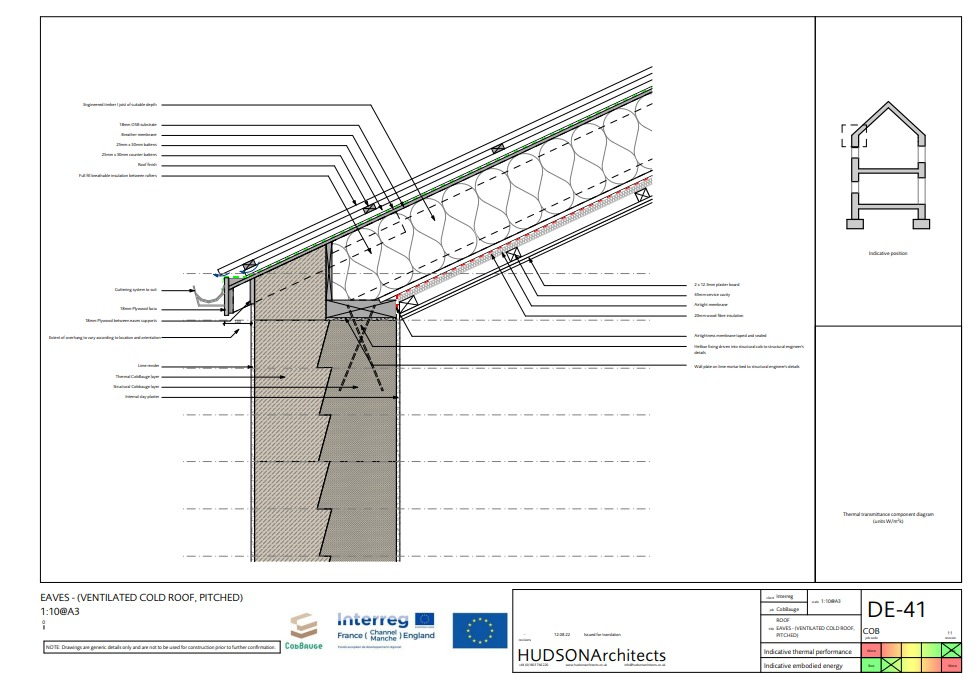
The inner layer is lightweight and insulating, while the outer layer is denser and provides structural strength. Both layers are composed entirely of natural materials and together form a single monolithic wall.
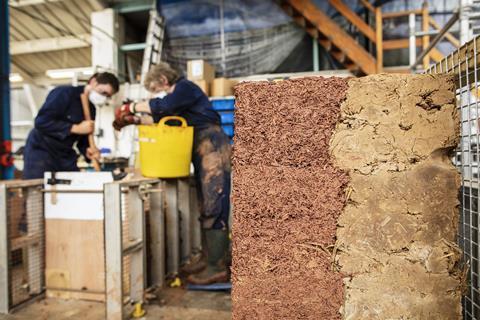
This approach made it possible to preserve traditional earthen construction while meeting contemporary thermal insulation requirements.
One of CobBauge's greatest achievements is that it is more than simply a new construction detail. The project transformed the research process itself by combining traditional knowledge with laboratory testing, engineering, and full-scale experimentation. As a result, earthen construction is no longer viewed solely as a historical technique but as a scientifically researched construction system with clear potential for contemporary architecture.
Prototype
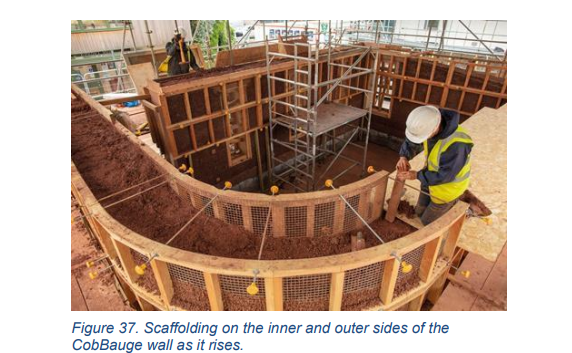
CobBauge was not limited to laboratory research. As part of the project, full-scale prototype buildings were constructed in England and France to evaluate the performance of the wall system under real environmental conditions.
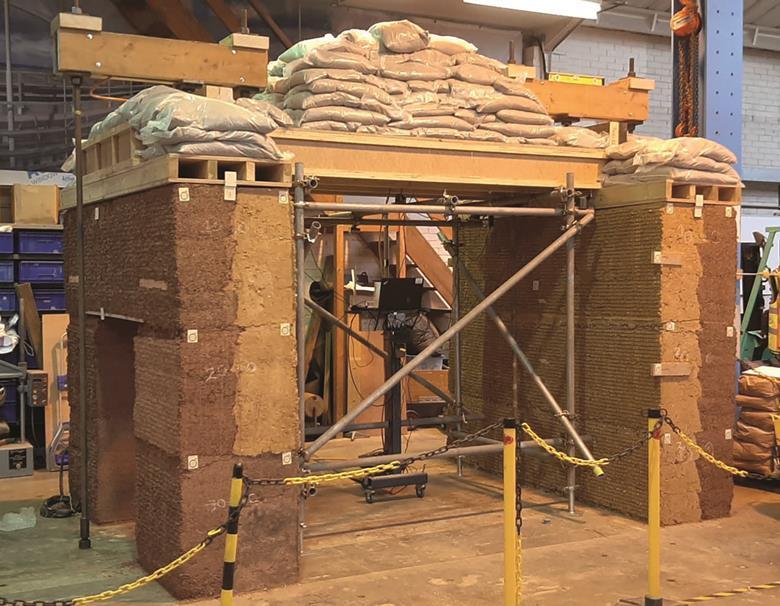
The buildings continue to be monitored, with researchers recording temperature, humidity, and overall energy performance. These long-term observations provide valuable data on how the material performs throughout different seasons and climatic conditions.
This practical testing is what distinguishes CobBauge from many experimental concepts — it is a construction system that has been tested and validated in real-life conditions.
Why is CobBauge Important?
CobBauge is significant not simply because it proposes walls made from earth. Its greatest value lies in demonstrating how traditional knowledge can be advanced through contemporary scientific research and engineering.
Natural materials are often associated only with historic or vernacular architecture. CobBauge challenges this perception by demonstrating that, through careful research, engineering, and testing, traditional materials can become an integral part of contemporary architectural practice.
The project is based on locally available resources, reducing the need for high-energy construction materials while promoting more sustainable building methods. Using locally sourced soil also minimises transportation requirements, highlighting the environmental value of regional materials.
Another important aspect of CobBauge is the revival of craftsmanship. Projects like this do not only create new technologies — they also preserve and develop the practical knowledge passed down through generations, knowledge that was nearly lost with the rise of industrial construction.
Earthen walls also regulate humidity naturally, contributing to a comfortable indoor microclimate. Natural materials are increasingly recognised as a way to create healthier, low-energy living environments.
CobBauge is a compelling example of how architecture, engineering, and scientific research can converge within a single project. It reminds us that innovation is not only about creating new forms and materials — it is often about better understanding an existing material and rediscovering its possibilities.
Although CobBauge was developed in England and France, its approach is equally relevant to countries with a rich tradition of natural building. Projects of this kind remind us that historical construction knowledge should not remain merely part of our heritage — it can also become one of the directions in which contemporary architecture develops.
CobBauge is a reminder that innovation does not always mean creating a new material. Sometimes it begins with the rediscovery of knowledge that has existed for centuries but was forgotten with the advance of modern technology.
Conclusion
CobBauge is one of Europe's most successful examples of how traditional construction techniques can become part of contemporary research, experimentation, and architectural practice. The project demonstrates that natural materials are not merely part of our architectural heritage — they also have the potential to become an essential component of sustainable, energy-efficient architecture.
Projects such as CobBauge suggest that traditional building knowledge should not only be preserved but also reinterpreted and developed through research, allowing it to play an active role in shaping the architecture of tomorrow.
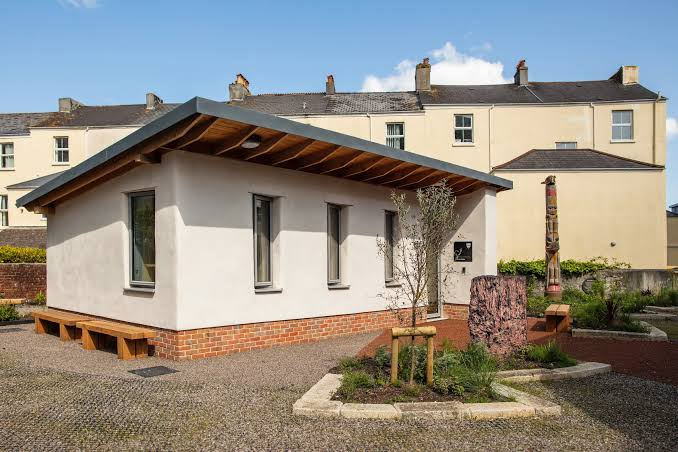
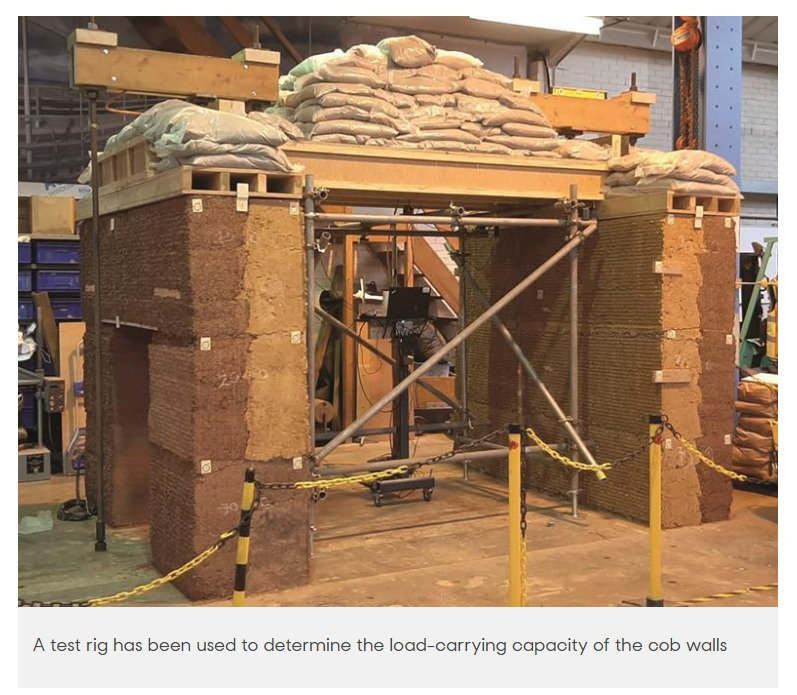
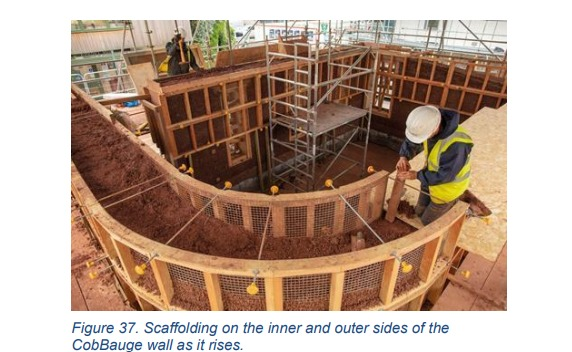
The CobBauge prototype building at the University of Plymouth.
Anastasia Dombrovskaia
Anastasia Dombrovskaia is an architect and researcher focused on the vernacular architecture of the Caucasus and on the intersection of traditional building techniques with contemporary engineering.